The Lokirisiai water project, Laikipia, Kenya, which communities built and keep running
This blog is part of a dossier on locally-led adaptation, featuring insights and lessons from the Reversing the Flow (RtF) program. RtF empowers communities in Bangladesh, Burkina Faso, Ethiopia, Kenya, and Sudan to build climate resilience through direct funding and a community-driven, landscape approach.
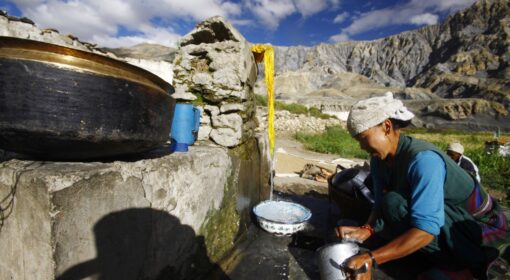
In Lolkilorit, Laikipia County, Kenya, water used to mean a 2.5-kilometre walk to a contaminated downstream river, shared with wildlife, at 5:30 in the morning. A government water tank fed by streams from Mount Kenya sits at the top of the water distribution system. But below it, five villages and 115 households had no connection.
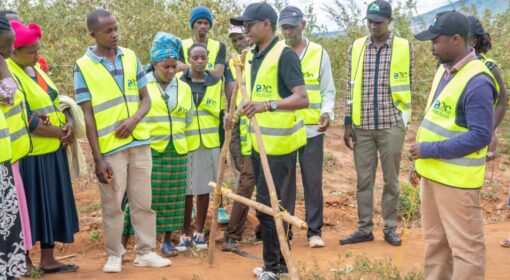
In 2022, the community formed the Lokirisiai water project, led by a committee of eight. Together, they wrote proposals to several partners to build a water pipe connection system. The local NGO IMPACT provided €15,200 through RtF funds, given directly to the community. Total project costs came to €17,900. The remaining €2,760, the community funded themselves. Villagers dug the trenches to keep labour costs low, and the county government contributed some pipes.
With this combination of external funding, self-contribution, and in-kind labour, the community extended the water system from the main tank into the villages. Households with disabled members, elderly residents, and those without livestock got connected first. Members who could not dig trenches cooked for those who did or served as witnesses. No one was left without a role.
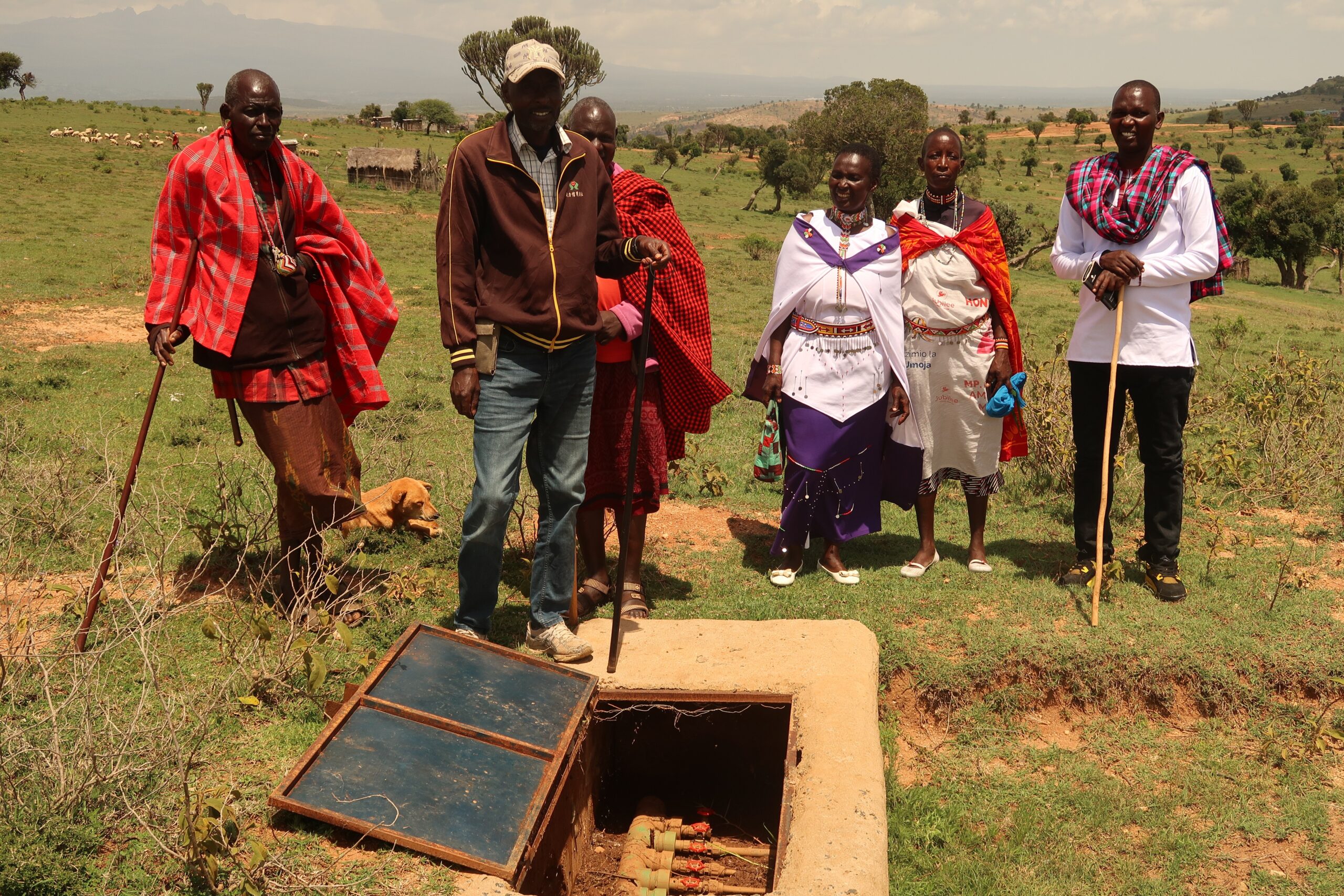
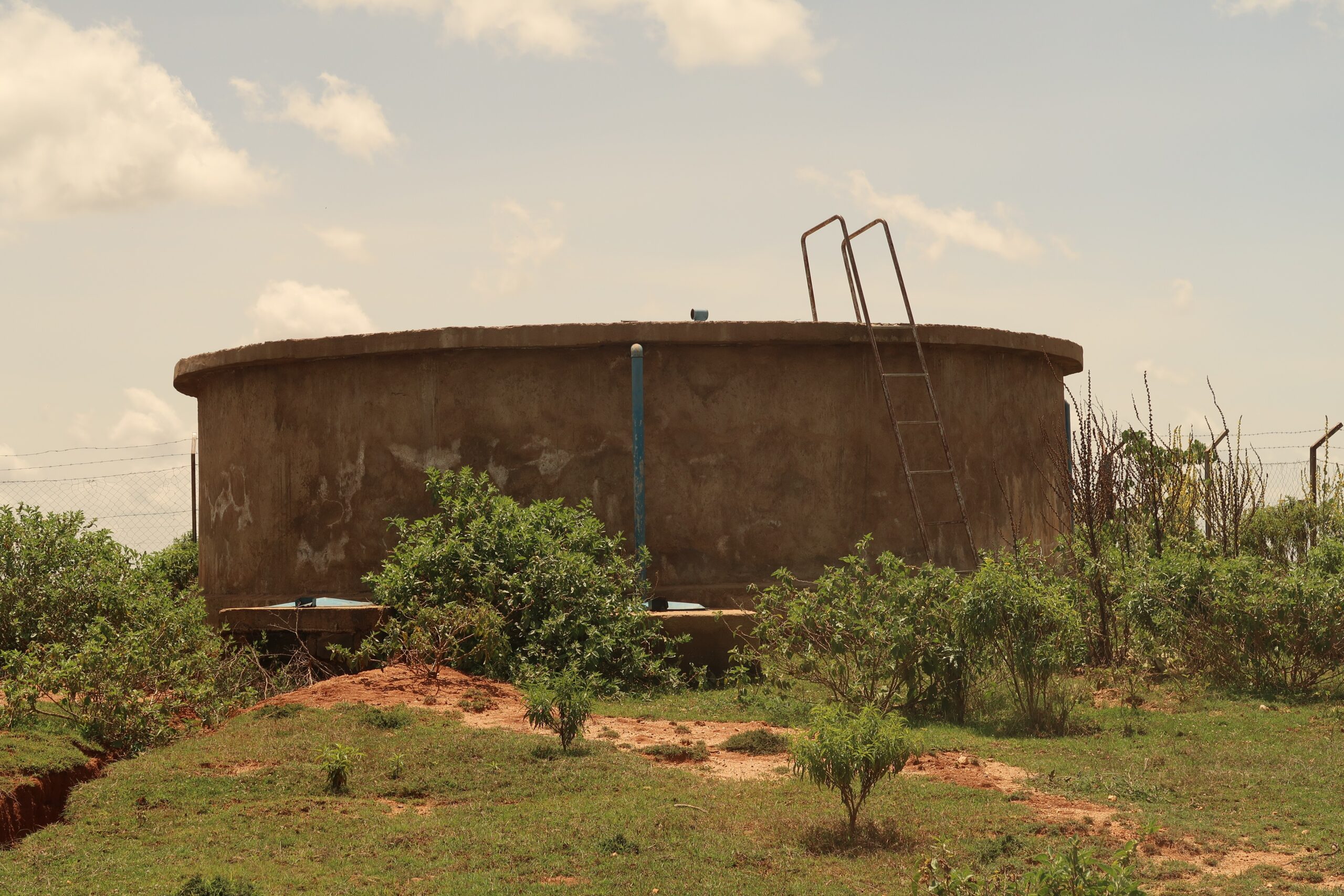
Three years on, 71 of 115 households have direct water access in their households. The committee has managed its own maintenance fund for two and a half years, collecting 200 KSH per connected household per month. There is always money left in the account. Currently, 64,800 KSH (€447) sits in reserve, earmarked for future repairs and eventual pipe replacement; the pipes have a ten-year lifespan, and the committee is already planning for it. Breakages happen; the piping is new and still settling, but local plumbers handle distribution repairs. When the main line needs a county government engineer, the community pays for their transport to come and fix it. The system does not depend on outside help to keep running.
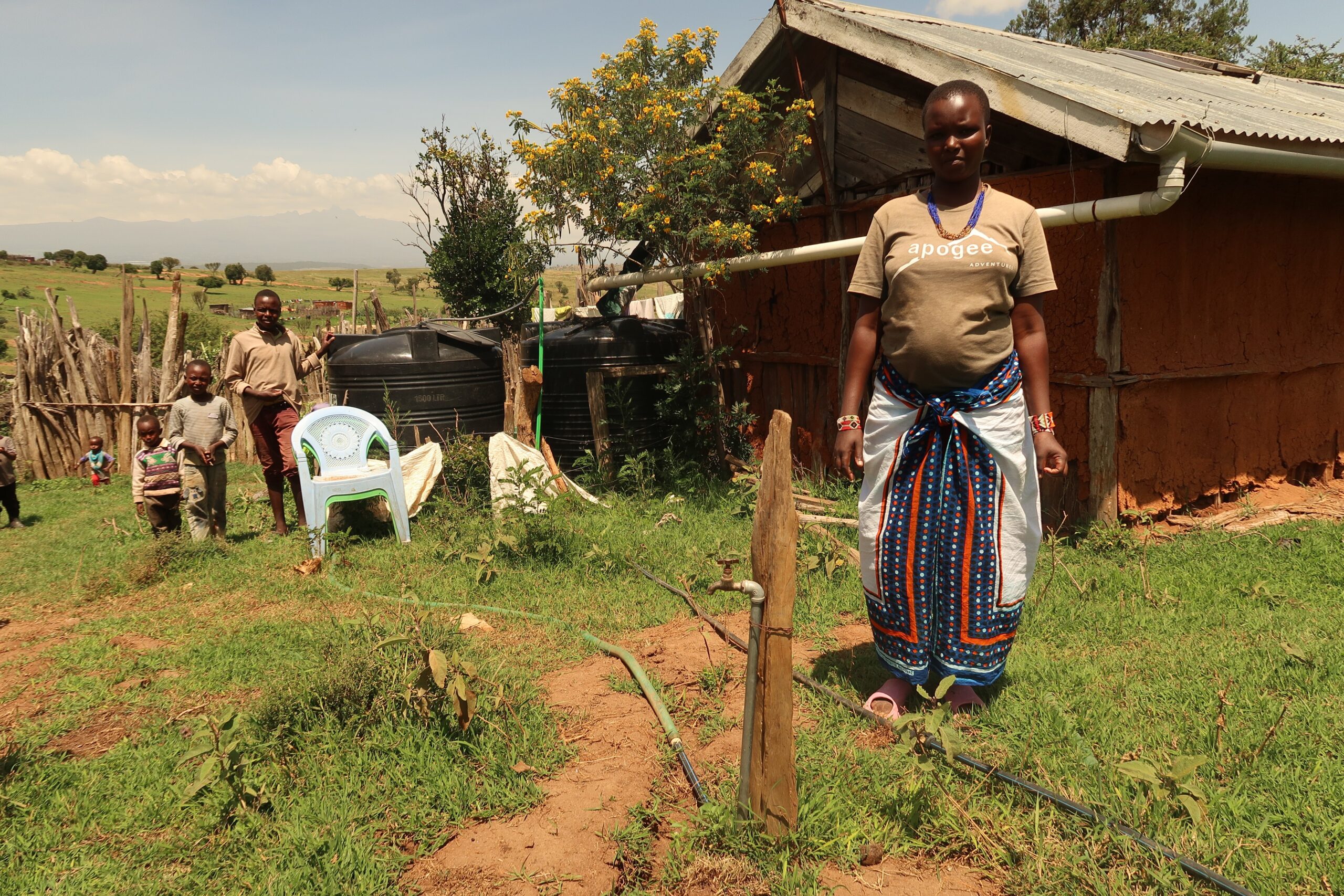
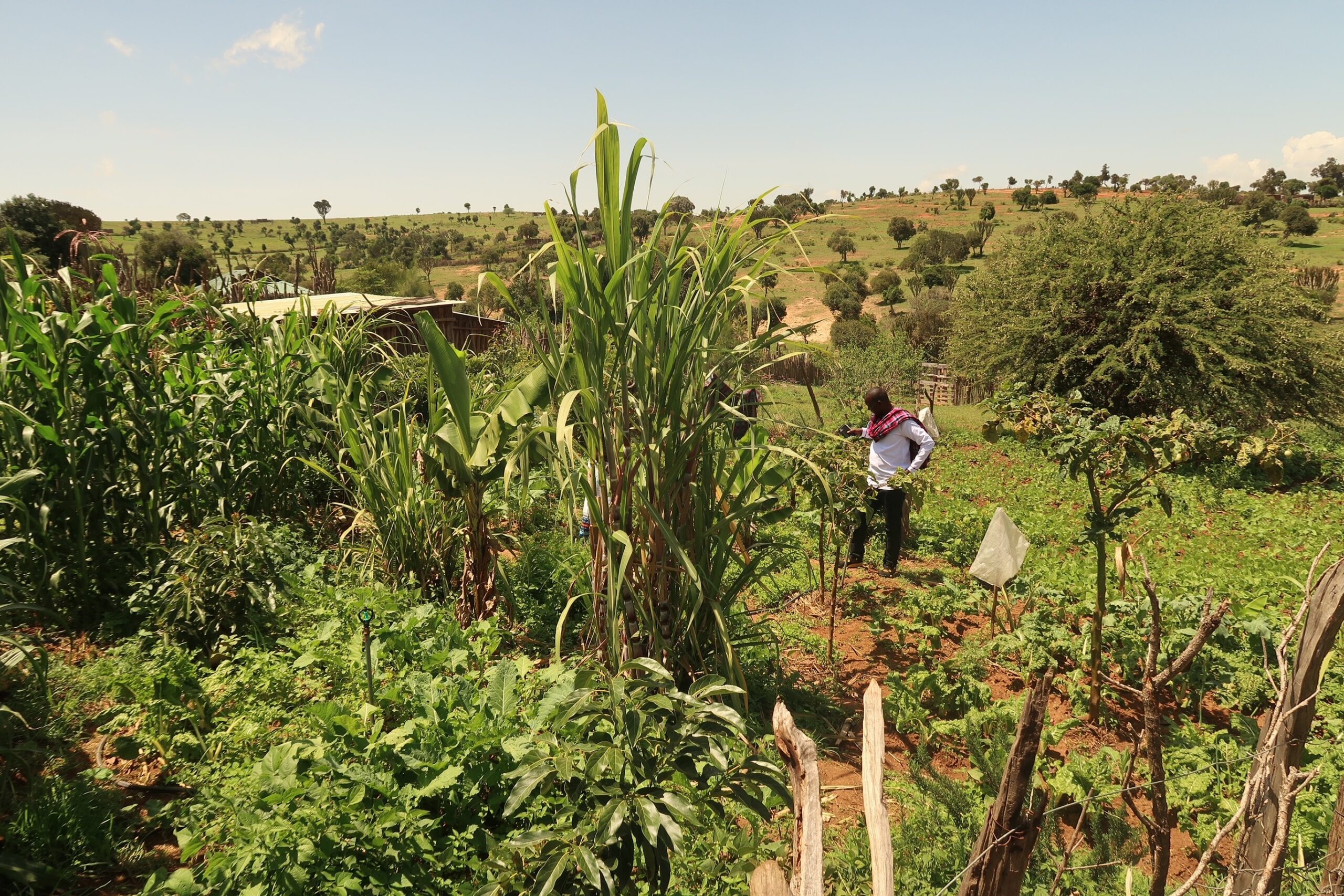
Before the pipes, waterborne diseases from the river were common. Children who previously missed school because the morning fetch took too long now attend more consistently, and children who used to go hungry during the day no longer do. Kitchen gardens, previously impossible, now supply households directly, and the improvement in nutrition is visible: people are eating vegetables they used to buy at a market four kilometres away, or went without. Esta Kinyaga of Lolkilorit village runs a sprinkler system in her garden; her own investment was paid for from her first surplus harvest. She has since bought water storage tanks, added rainwater harvesting from her roof, and is expanding production for the local market.
The project also changed how people relate to each other. Regular meetings, shared trench-digging, and a jointly tracked fund built a degree of social connection the group did not have before. The time no longer spent fetching water also means women can attend these meetings. People know more about each other’s situations than they used to do. This stronger social cohesion is part of what the water project achieved.
Forty-four households remain unconnected, currently using neighbours’ water for domestic use. The committee is writing proposals for additional funding. The 64,800 KSH (€447) in reserve has competing demands: storage tanks for household and livestock use, dairy goats the group plans to buy to graze at home, ongoing maintenance, and connecting the remaining households. The chairman identifies this as his main concern.
Harder constraints lie ahead. In dry seasons, the intake from Mount Kenya is not always sufficient, and the system runs on shifts, with each village drawing from the main tank once a week. More storage capacity, both for households and for cattle and sheep, is a pressing need the community has not yet been able to meet. The community is also growing, with people arriving from areas affected by conflict elsewhere in the region. More people have to use the same water. The committee knows this and is planning to address it through a formal review with the WRUA (Water Resource Users Association), which manages the water intake rights.
Three years in, we see clear results: for €15,200 in direct funding and €2,760 in community self-contribution, 71 households have water access, a maintained system, clear ownership and decision-making structure, and money for maintenance in the account. Infrastructure built by external projects in this region tends to follow a familiar pattern: construction, then neglect, then breakdown. The Lokirisiai project is breaking that pattern because the people who built the system are the same people using and maintaining it.