By Frank van Steenbergen
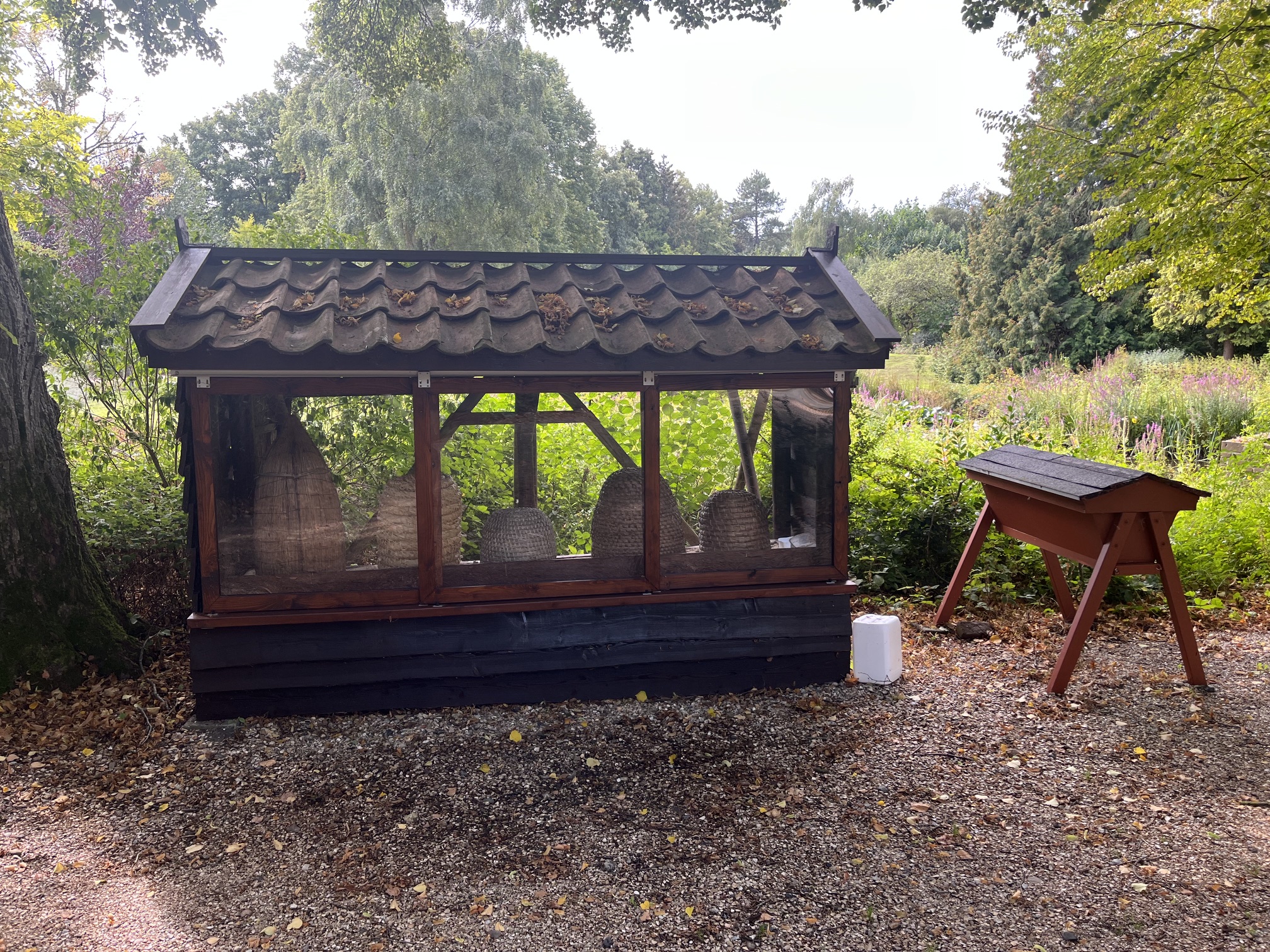
Postcard from Amsterdam, from the New Bee-Park
A special story and concept
The New Bee-Park in Amsterdam, at the fringe of Amsterdam, is a paradisical place consisting of 30 ornamental gardens and 14 bee gardens, the latter used by trained amateur beekeepers. The gardens abound with flowers and trees and have tiny houses where people can stay during the summer. It is very much the concept of the garden parks – of which Amsterdam has more than twenty. These are self-managed green areas with users renting the garden and, by joint labour, maintaining the open spaces and the winding roads. There are small canteens where people can meet. They are refuges for urban dwellers – soothing heavens in green.
The New Bee-Park centres on beekeeping, with a small beekeeping museum at its heart and hive owners sharing equipment. The history of the Bee-Park stretches over nearly a century. The initial bee park was established by the well-to-do Wilhelm Sieger. He managed the factory that produced medicine from quinine and also explored the use of bee venom to treat rheumatism. His factory purchased land in the then rural Rieker Polder – at the fringe of Amsterdam. With help from a garden architect, the bee park was developed in 1936, establishing a permanent location for beekeepers who had previously used different sites. The park thrived and was also used by the botanical garden of the University of Amsterdam. Then, in the 1960s, the highway expansion threatened the park and part of the land was appropriated for the infrastructure development. This appropriation was compensated by creating the New Bee Park – a replica paradise, created again by the same landscape architect, some distance away, giving space to the allotment owners who had lost their land in the old Bee-Park.
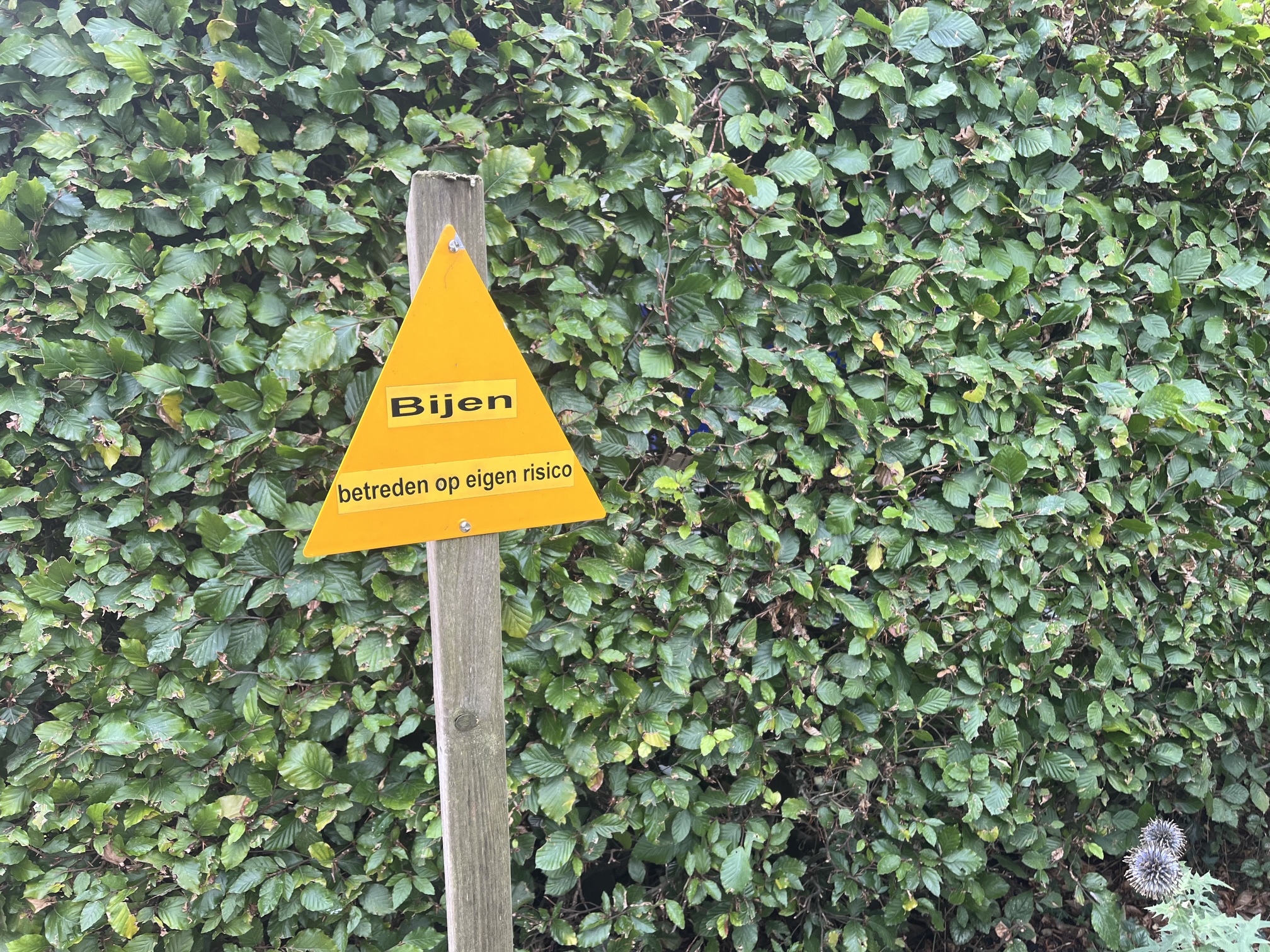
Tranquillity rules in the bee parks – no loud sound, no noisy equipment, no parties. There is an abundance of birds, insects, and amazing diversity of plants and trees. The park is so beautiful, and it stands for a beautiful story that is worth repeating. As cities grow and edges move, openings should be used in rural areas to create similar self-managed green oases, before real estate prices make any green development difficult. The bee-parks in Amsterdam are part of the ecological master plan – and are recognized as safe spaces for birds and insects in the built- up environment. They are oases that bring peace and rest in an overstressed environment