Importance of Rice
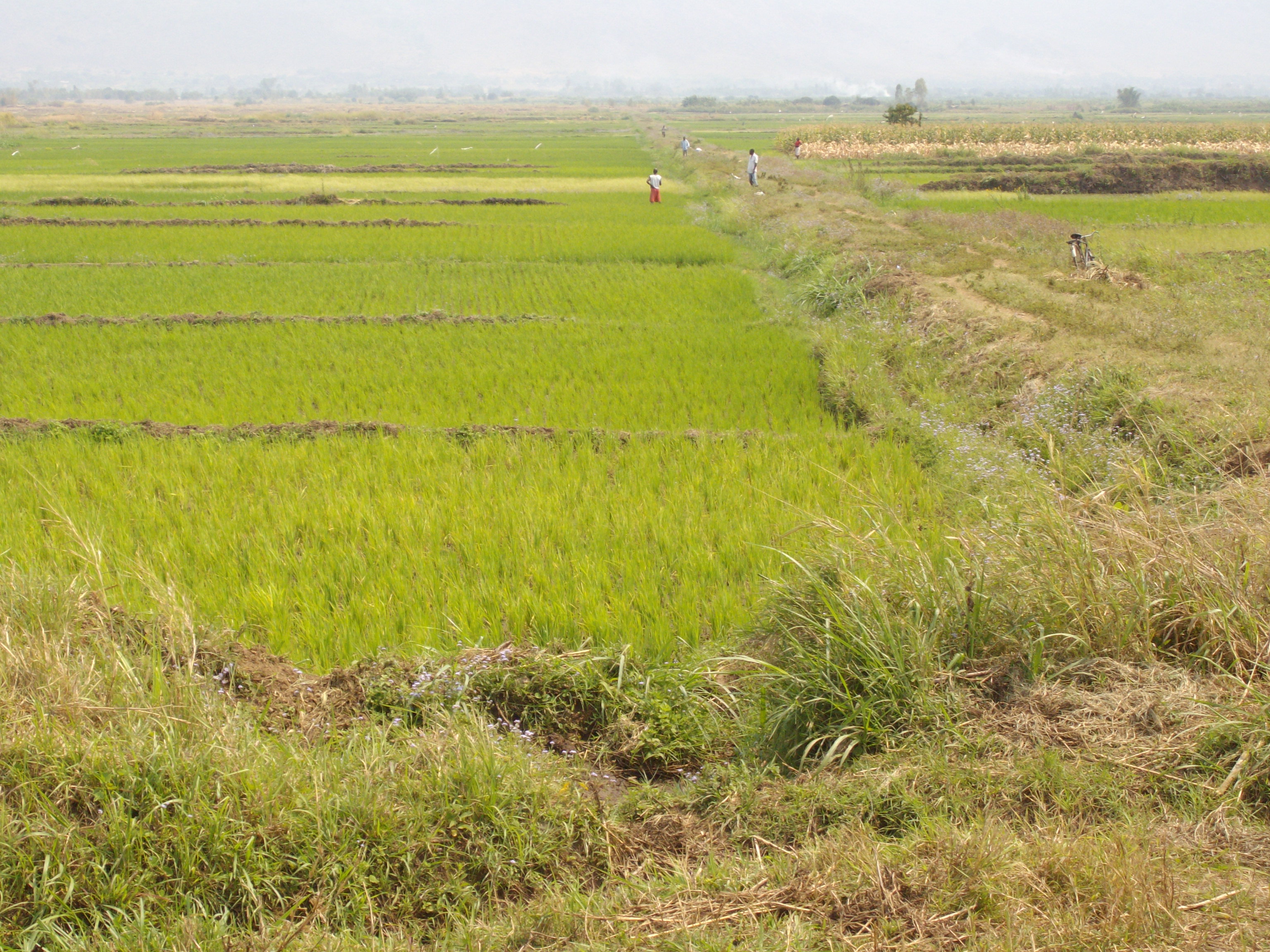 Rice is a very important food crop, 50% of the total world population consumes rice. 90% of the total rice production and consumption takes place in Asia. This is also the place (China) where rice was domesticated about 8,000 years ago. However, also for instance in Africa, the importance of rice has been growing since the 1960s. This is due to an increase in income, good storability of rice, and the ease of cooking rice. Finally, Latin America is one of the highest rice-consuming continents.
Rice Water Use
Rice is a heavy water consumer (can be produced both rainfed and irrigated). A large amount of water is needed on plots to face the water losses by seepage, evaporation, percolation, and transpiration. To produce 1 kg of rice, 5000 liters of water are needed. Because of the importance of rice in the world’s food consumption, food security correlates with water security.
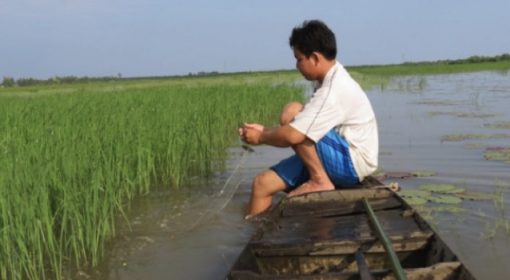
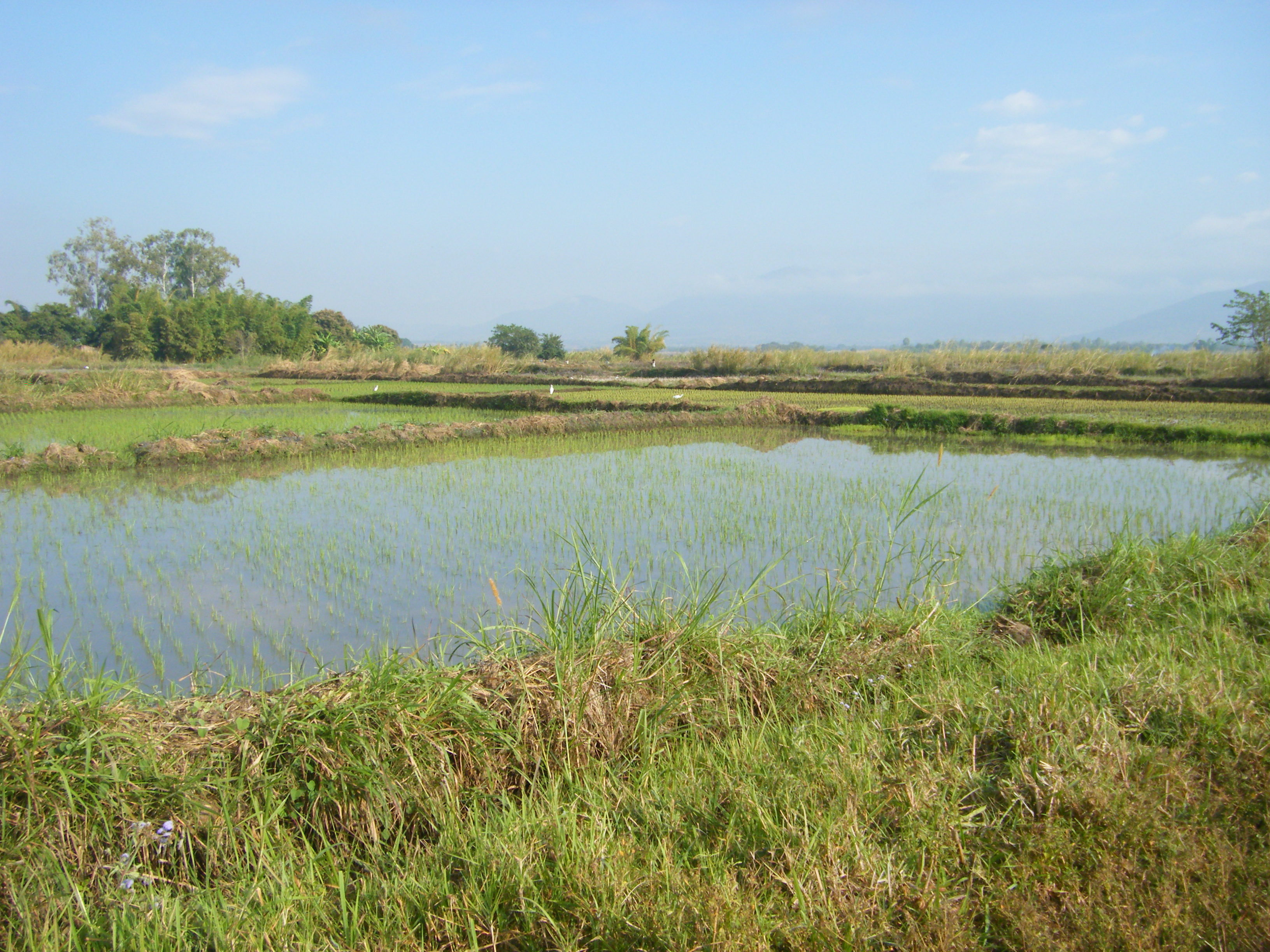
To ensure sufficient water, rice could be cultivated under flooding conditions (paddies). Although this is not necessarily needed during the whole growing season (for instance, the ripening stage), there are positive side effects: weeds are killed and do not get a chance to grow. Besides, plants use nitrogen more efficiently under flooded conditions, insects cannot threaten the rice plants, and it protects the plants against temperature fluctuations. Moreover, paddies could be a buffer for drier times, and rice transplantation is far easier.
To establish these flooding conditions, farmers in Asia have been constructing bunds for many years, and their land is levelled. Bunds keep the water within the field, retain rainwater, and limit losses by seepage. Breaches within the bunds let water flow from one field to another. Above all, these flooding conditions should be controlled; rice plants cannot stand to be submerged constantly. (www.IRRI.org) 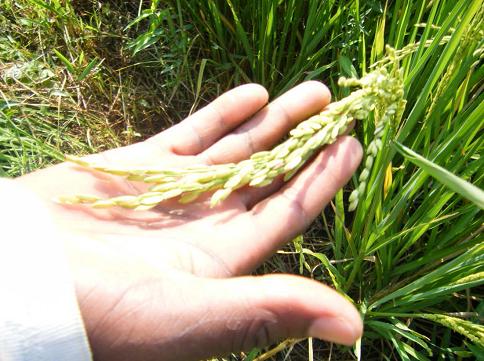
Rice Improvements
All over the world, rice improvement research is done. This research focuses, for instance, on high-yielding varieties to meet the growing demand for rice all over the world.
- NERICA. This new rice variety stands for ‘New Rice of Africa’. Asian rice varieties are enhanced and crossed with the African type, and a new variety has been developed by the Africa Rice Centre. This new rice variety has the property of the African variant to resist drought, pesticides, and poor soils, and the property of the Asian parent of high production. (www.africaricecentre.org)
- Golden Rice. Every year, over 2 million children under the age of 5 die because of a lack of Vitamin A. This can be prevented by consuming a varied diet. However, especially in developing countries, not all people have access to a varied diet. Those people should get nutrient-dense staple crops. Nowadays, a new rice variety has been developed which provides a plentiful source of vitamin A. This variety is called Golden Rice. (www.goldenrice.org)
 Much research has also been carried out on the so-called waterless rice. Tests have been carried out in China, India, Indonesia, and Madagascar to minimize water use in rice cultivation while increasing rice yields at the same time. So far, the results show that water input in rice fields can be reduced by 50% without affecting the yields. An important component of this research includes the socio-economic conditions, as a transformation of flooded rice cultivation requires adjusting the complete crop management system. Farmers need to adapt to existing infrastructure (e.g., irrigation systems) as well. (www.waterfoodecosystems.nl).
Videos
IRRI: Rice Science for a better world
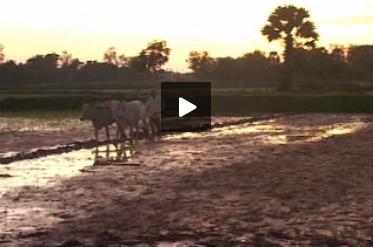
Living Labs: Mekong River Basin
{jcomments on}