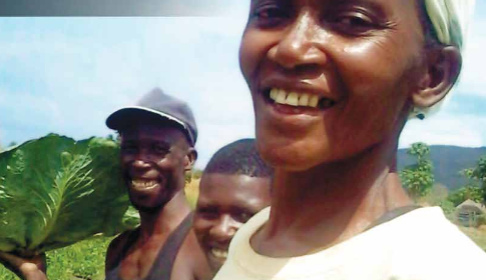
The Shubh Kal project by CDKN in India aims to strengthen community knowledge and voice on climate change impacts and adaptation by increasing their input into local research and policy dialogues and enabling communities to share their experiences of adapting to climate change.
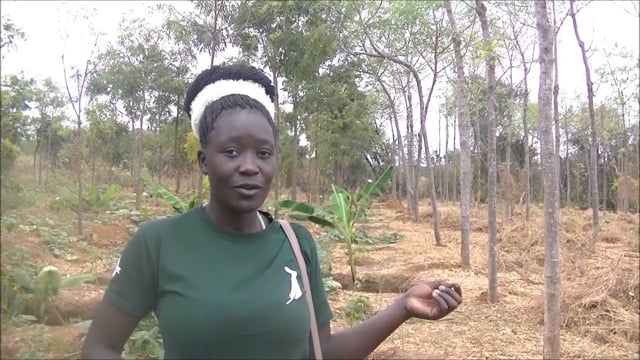
This video shows that these vulnerable communities can mitigate some of the negative effects of climate change by practicing agroforestry, and it is also a practical option for addressing the problem of deforestation. Agroforestry is a collective name for a land use system in which woody perennials (trees, shrubs, etc.) are grown along with crops. This system provides a set of innovative practices that are designed to enhance farm productivity in a way that contributes to climate sequestration.
The Climate and Development Knowledge Network (CDKN) supports decision-makers in designing and delivering climate-compatible development. They do this by combining research, advisory services, and knowledge management in support of locally owned and managed policy processes. They work in partnership with decision-makers in the public, private, and non-governmental sectors nationally, regionally, and globally. They hold to the ideals of human development and environmental sustainability.
More info: CDNK
Produced by: CDNK
Year: 2013
Language: English
Region: Global