This blog is part of a dossier on locally-led adaptation, featuring insights and lessons from the Reversing the Flow (RtF) program. RtF empowers communities in Bangladesh, Burkina Faso, Ethiopia, Kenya, and Sudan to build climate resilience through direct funding and a community-driven, landscape approach.
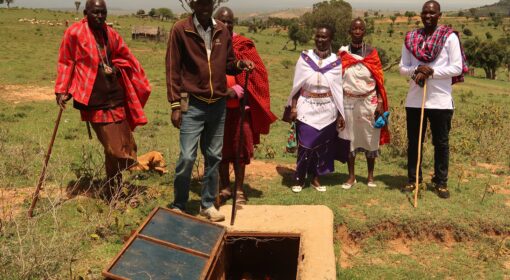
The people in Burat Ward (Isiolo County, Kenya) used to collect water by walking to the nearby river. This same river is used for farming and by cattle, which causes contamination, leading to waterborne diseases when using the downstream parts of the river. Fetching water also meant sharing the riverbank with wildlife, a source of regular conflict for villagers.
The community knew what they needed: pipes to connect their households directly to higher entry points of the river where the water is less contaminated. Through the WRUA (Water Resource Users Association) and the county water department, they secured the legal right to abstract water from the river, then lobbied the Leparua Conservancy to fund the first 700 metres of pipe. Another 2.2 kilometres followed. Then the work stalled for two years, though the community water committee kept paying WRUA fees of 200 KSH (€1.40) per household to hold their water rights in place.
Through the RtF funds that IMPACT brought to the community, they received 4 million KSH (€27,600). These grants came with full financial ownership and decision-making power. A committee is keeping oversight of the project and has hired plumbers and local labour for making the trenches. Hiring the community members themselves for this labour was much cheaper than hiring external workers. Through this, the community extended the pipe by 7.5 kilometres and connected two villages. An extra 2 million KSH (€13,800) brought the total to 12.4 kilometres across four villages. The entire community is spread across a 16.9-kilometre stretch, and 4.5 kilometres remain to be covered with the remaining RtF funds.
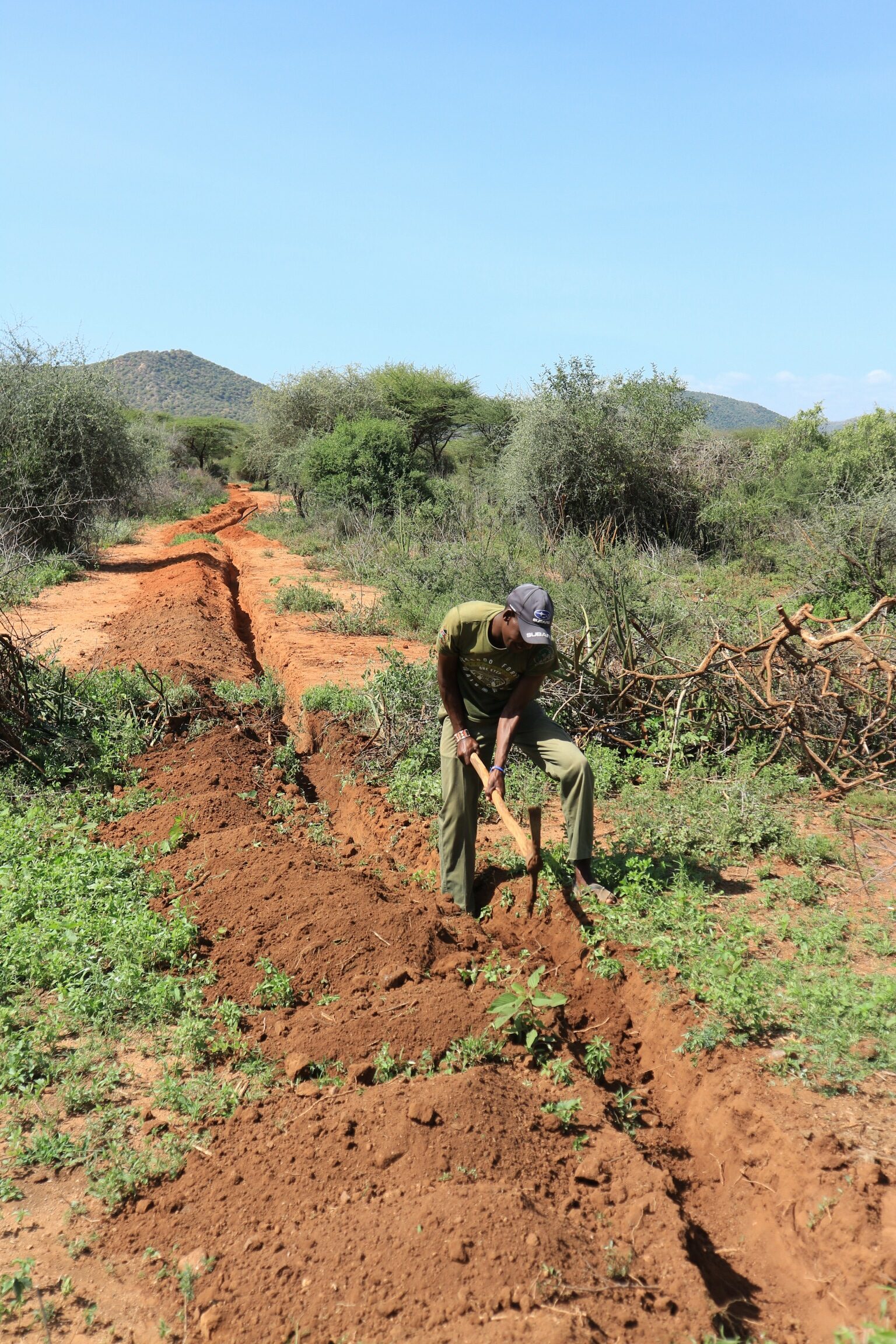
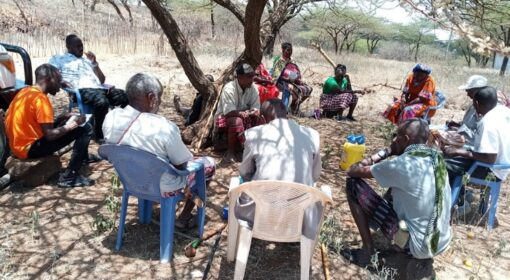
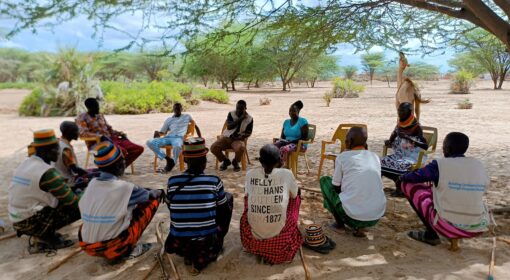
Now 170 of 350 households are connected. The same committee that guides the entire initiative also manages the water access and is connected to the ward committee and the WRUA. Households access water on a rotating schedule, each given a set time each week to fill their tanks. When the pipe broke once, the community repaired it within two weeks without outside help. The committee keeps its own financial records and reports back in community meetings.
The committee now faces pressure from the community to move faster and connect the remaining households. This creates tension, but it is also a sign of accountability: people expect results because they understand exactly what was decided and why. That kind of scrutiny is only possible when people feel genuine ownership over a project.
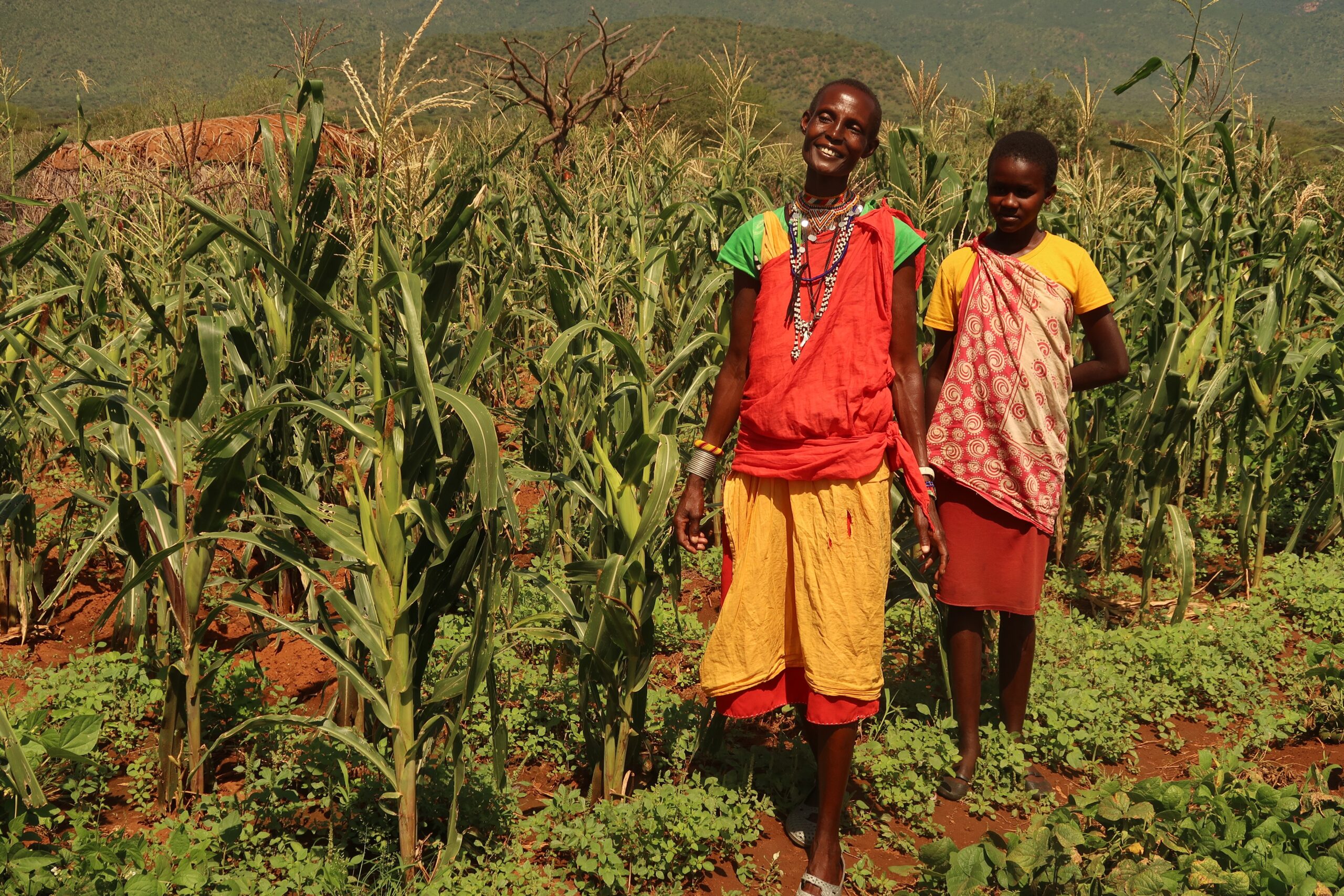
The water opened up farming that was not possible before. Maria Keshine of Olchurai village now grows maize and watermelon on irrigated land where she planted nothing previously. This made a big difference in her income and food security: from only rearing goats to growing her own food and selling some surplus yield for extra income.
A neighbour farmer was less lucky: elephants raided three consecutive yields. Despite this challenge, she is still planting and has contacted the Leparua Conservancy about fencing options, exploring whether elephant corridor agreements or carbon funds could cover the cost. Another villager purchased a water tank with his first watermelon harvest.
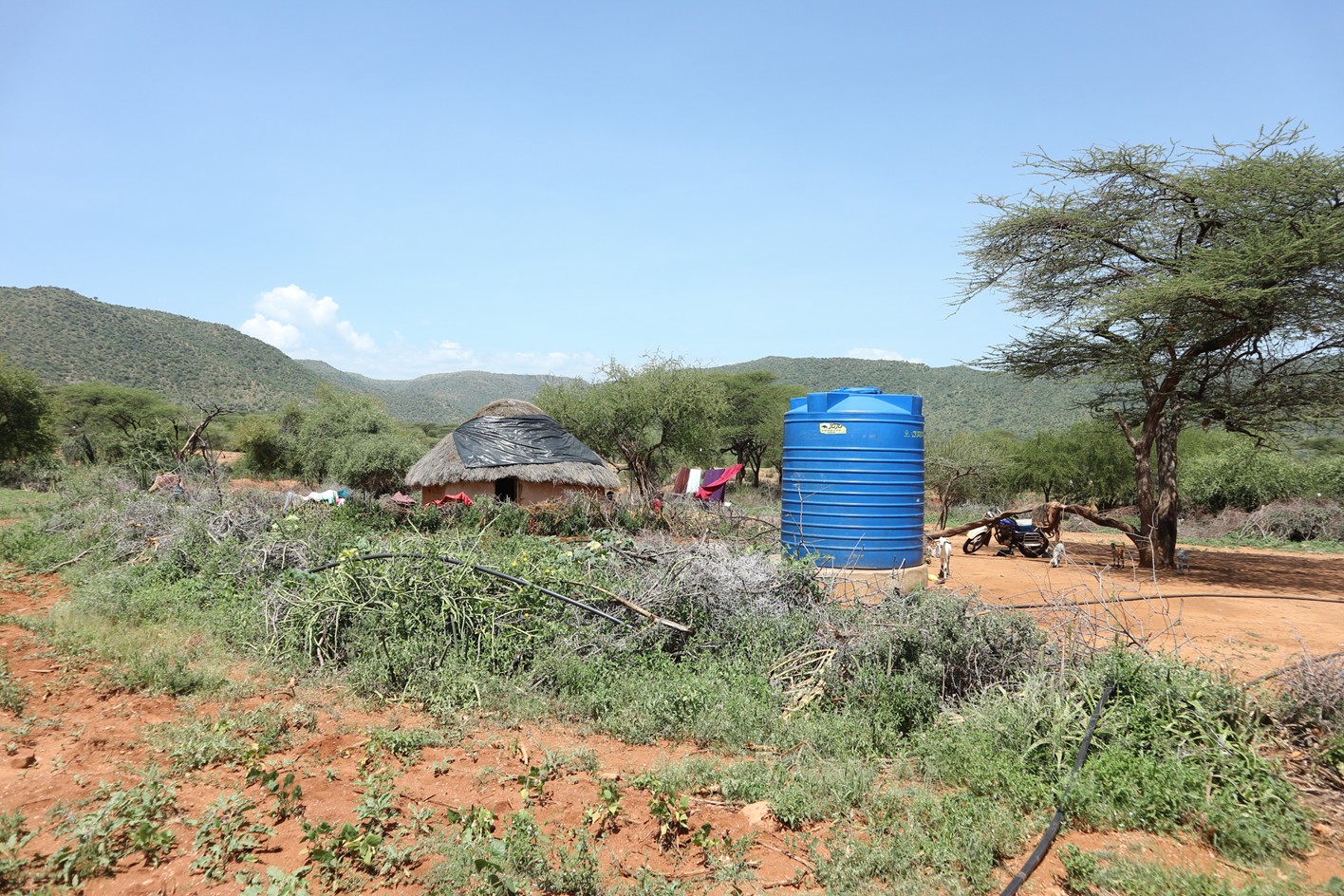
Asking what they thought of this locally-led approach instead of external projects coming to do the work, the community’s answer was unambiguous: this is the best way. With this initiative, the community knows exactly what everything costs, who was paid, and why decisions were made. With external projects in the same area, they could not tell the project budget or how the money was spent. That difference in transparency shaped how people relate to the infrastructure. The water pipe feels owned. When something breaks, people fix it. When funds need to be raised for maintenance, people pay.
This is a story of how an empowered community with relatively little external funds (€27,600) is improving the direct water access of 170 households. But it is also a story about a newly built system. The pipes, the committee leading this initiative, and the financial mechanisms have not yet been tested over many years. How the system holds up through drought cycles, population growth, and leadership changes is the real measure of its sustainability. That longer-term check is still ahead.
To read about what a locally-led water system can look like three years on, see our blog on the Lokirisiai water project in Laikipia, Kenya, through this link.