By Redeat Daneil and Girma Senbeta
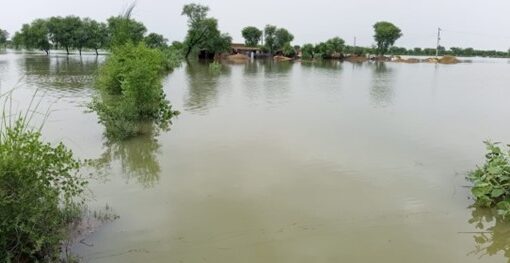
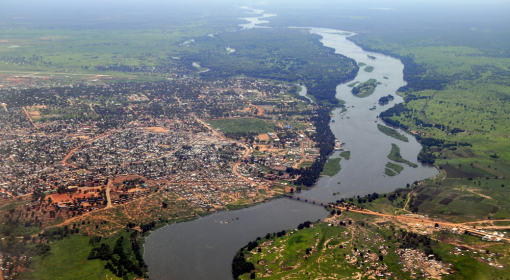
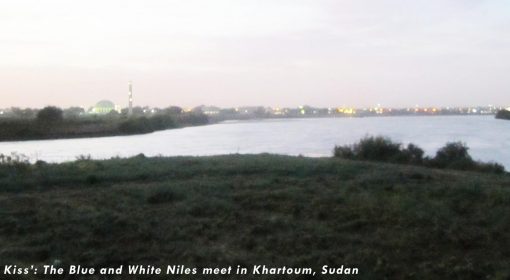
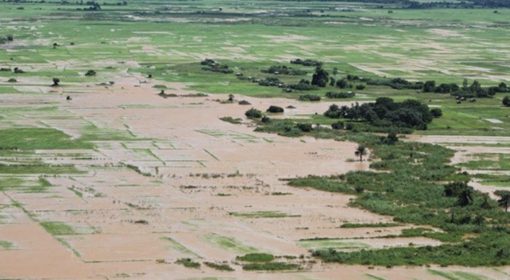
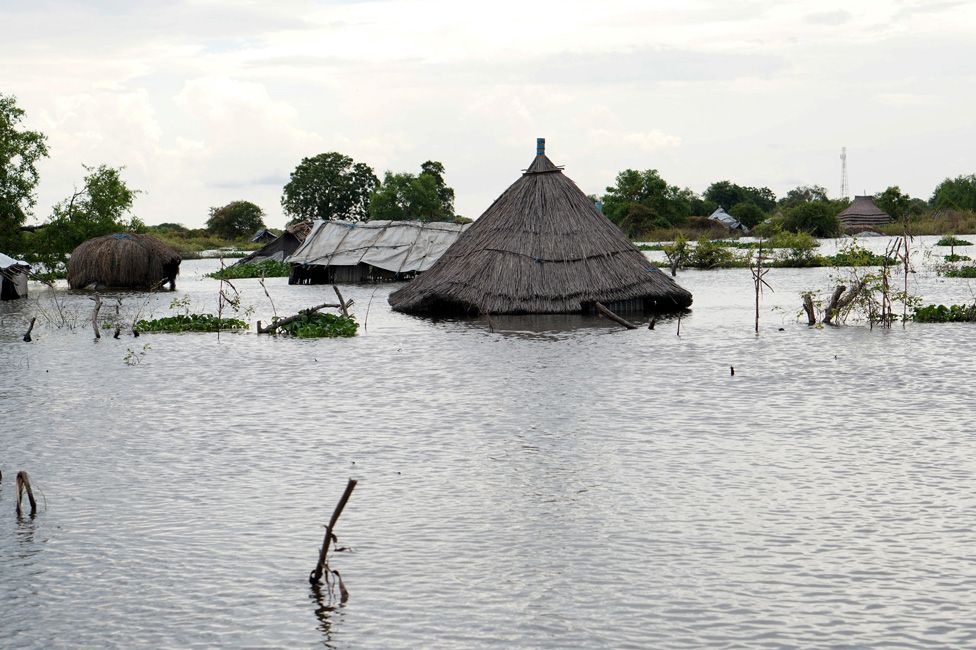
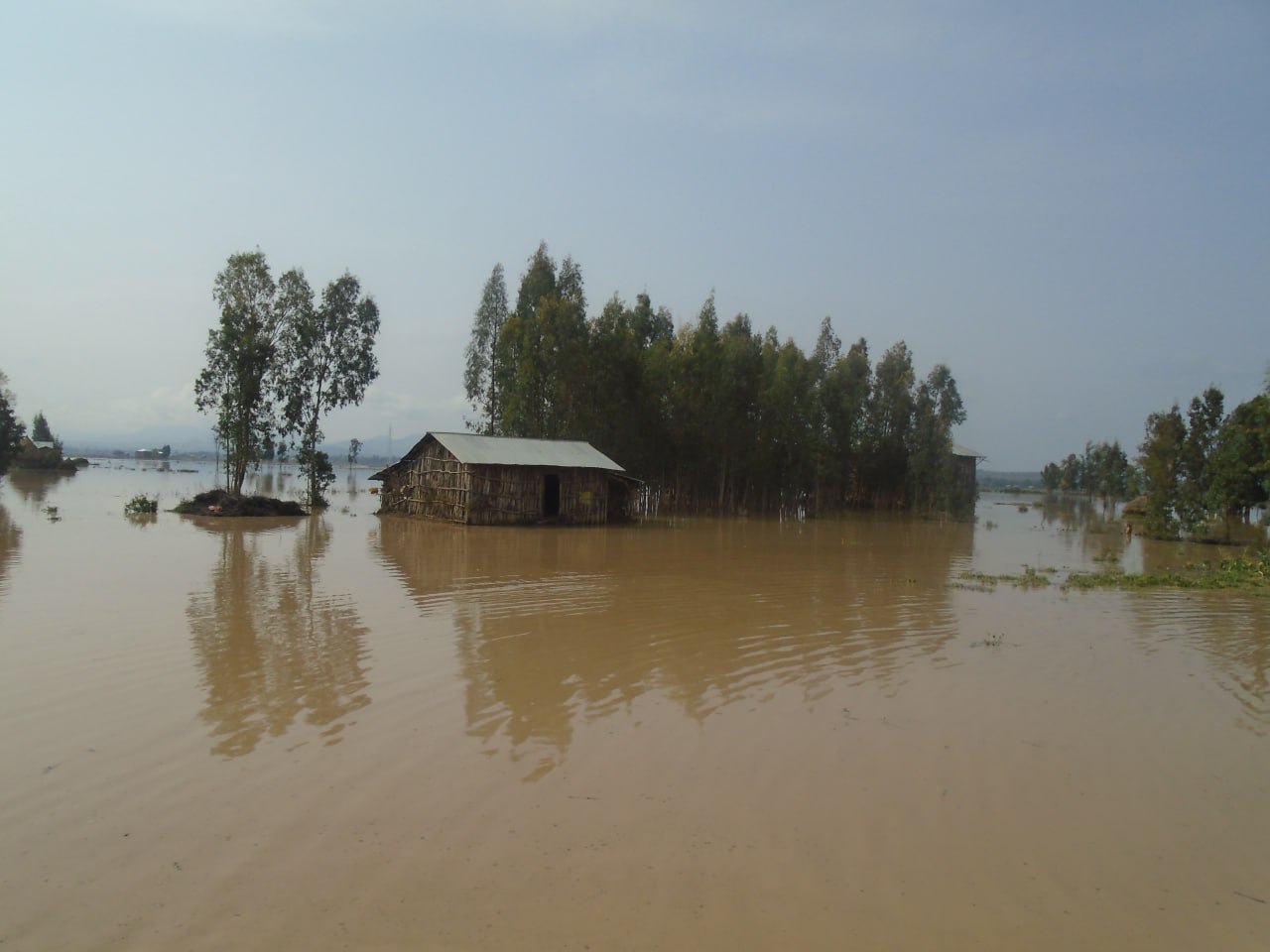
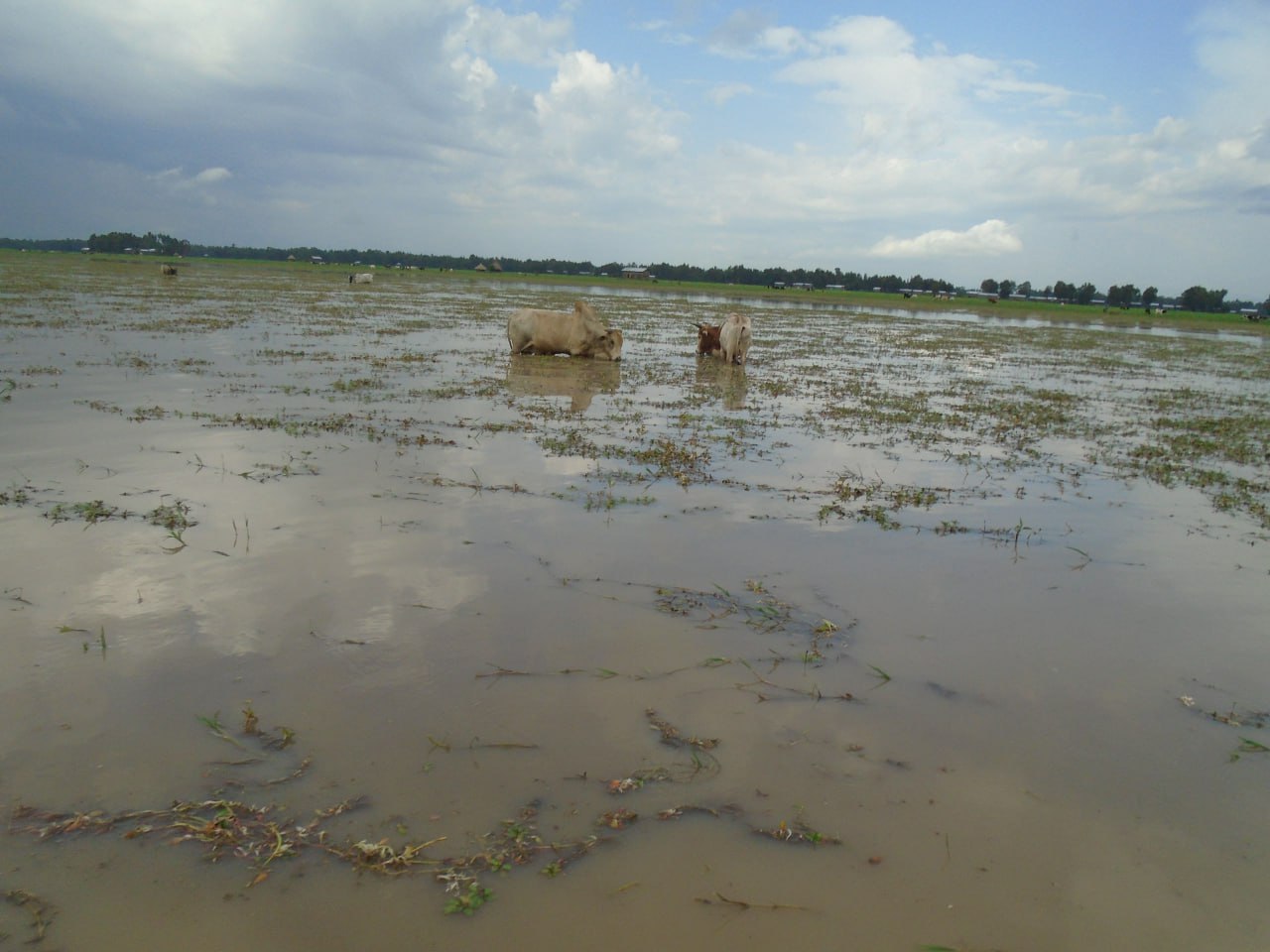
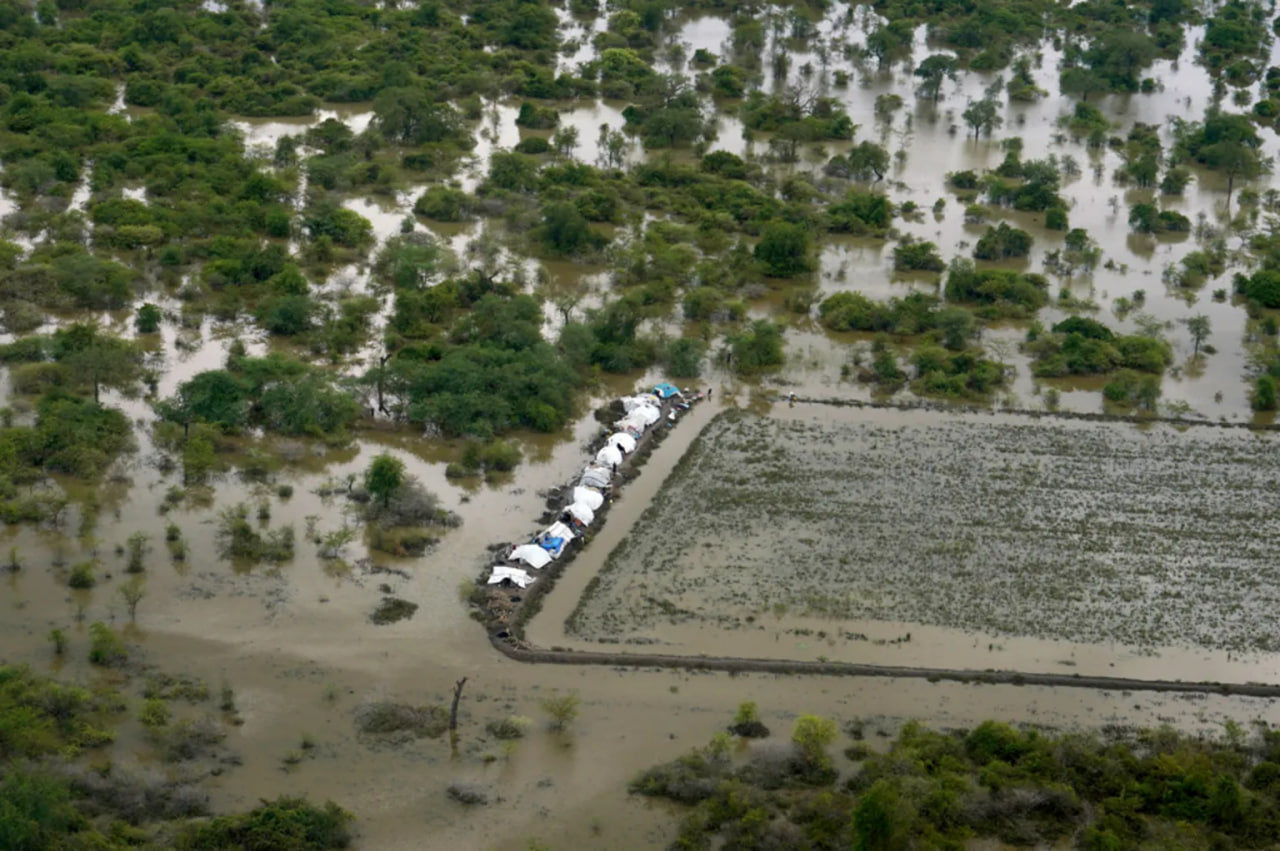
East Africa is increasingly caught in a dangerous cycle in which extreme droughts and devastating floods strike back to back, crippling livelihoods and overwhelming communities. In 2024 alone, months of heavy rainfall affected more than 1.6 million people, killed hundreds, displaced over 410,000, and destroyed farmland, schools, and essential infrastructure1. Nowhere is this more visible than in the Eastern Nile basin spanning Ethiopia, Sudan, and South Sudan, where millions rely on the Nile and its tributaries for farming, grazing, fishing, transportation, and daily water needs. Flooding in the Eastern Nile takes multiple forms: flash floods, lakeside flooding, and riverine floods from Lake Tana, the Blue Nile, the Tekeze-Setit-Atbara, and the Baro-Akobo-Sobat rivers. Communities living across these sites understand the threat intimately.
Floods disrupt far more than physical structures; they interrupt markets, close schools, shut down health facilities, damage grazing lands and crop lands, kill livestock, and break apart social networks. Strengthening resilience, therefore, means reinforcing both community systems and institutional capacity across the basin.
Putting Communities at the Centre
The Eastern Nile Flood Risk Mitigation Project (specifically, Work Package III- Support in Establishing Flood Community Awareness and Preparedness) was grounded in a core principle: resilience must begin with the people who face the floods first.
GOPA MetaMeta, in partnership with HKV, made an assessment on flood community awareness through field visits, holding focus group discussions and key informant interviews, and using flood risk mapping and consultative workshops to understand the realities of flood susceptible areas. Lessons from this assignment show that local communities possess deep, practical knowledge of their environment that is often overlooked by formal systems. In Malakal, South Sudan, elders described how observing soil absorption after rainfall helps them anticipate rising water levels. In Itang, Ethiopia, residents still rely on traditional indicators, including insect behaviour, shifts in wind direction, and cloud patterns, to predict flooding. Such practices remain critical in areas where formal early warning systems are limited or inconsistent.
The project also recognized that the impacts of flooding extend far beyond physical damage. In fragile contexts across Ethiopia, Sudan, and South Sudan, where assets and savings are minimal, floods disrupt access to food, water, shelter, healthcare, and income, undermining safety and dignity and straining already fragile local institutions. Drawing on this community input, supported by desk research and stakeholder consultations, the project developed a set of practical tools: a flood risk mitigation strategy, a flood protection plan, and community flood bulletins written in different languages that explain what to do before, during, and after floods. Together, these efforts ensure that solutions are evidence-based, people-centered, and grounded in the lived experiences of the Eastern Nile communities.
Bridging Local Priorities to National Platforms
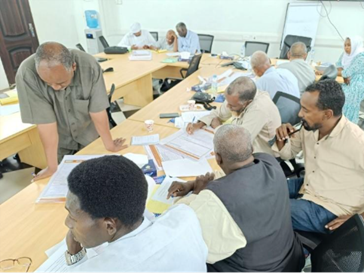
One of the major achievements of the project has been ensuring that community priorities are meaningfully elevated to national decision-making platforms. Through capacity building sessions, representatives from national authorities such as the House of People’s Representatives (HPR ), Water, Energy and Environment sectors, Meteorological Institutes, Disaster Risk Management Commission, Humanitarian Affairs, NGOs, Funders, and City/Town Administration, districts, basin authority,) to the grassroots level, such as community leaders, religious leaders, local Agricultural Experts, and district leaders jointly reviewed the project’s key outputs: flood risk strategies, preparedness and response plans, localized flood bulletins, and site-specific investment guides. This collaborative process created shared ownership, improved awareness, strengthened partnerships, and opened opportunities for future investment. Communities also prioritized both structural and nonstructural flood protection measures based on the specific risks identified in each flood-susceptible site. Community voices further underscored the value of this engagement. As one participant from Fogera Woreda in Ethiopia shared:
“I want to acknowledge the consultant for their efforts in reaching out to the community. This is my first time witnessing such an interactive session about floods in our area. Thank you for including us.”
Kes Bere, Ethiopia, Fogera Woreda
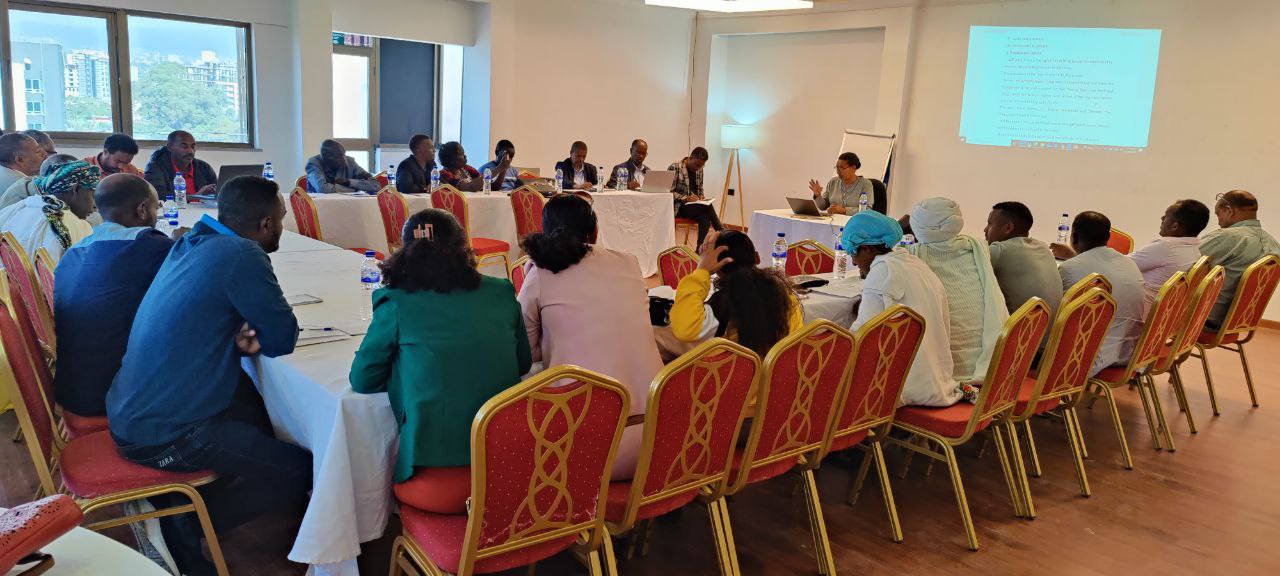
Institutional reflections echoed that change. For instance, the Ethiopian Meteorological Institute acknowledged that the workshop’s value in revealing gaps between national information systems and local needs. Despite an extensive national network of multiple agencies, 210 meteorological stations, branch offices, and mass media channels, information often fails to reach communities in timely, actionable forms. The Ethiopian Meteorological Institute has committed to exploring alternative communication pathways to better link forecasts with community action and to strengthen monitoring and feedback mechanisms.
Similarly, Sudan’s National Planning Organization (NPO) identified avenues to embed interventions into existing resilience programs. The FAO expressed strong interest in the investment guides, and representatives from irrigation and agriculture ministries noted external interest, such as from the Turkish Embassy, to support targeted interventions in priority locations like Kassala.
As climate change continues to increase the frequency and severity of floods across the region, the message from this initiative is clear: resilience must be built from the ground up, guided by community voices and supported by responsive national systems capable of transforming local knowledge into strong, long-term solutions.