By TUPADO Staff, supported by Theo Kioko & Femke van Woesik
This blog is part of a dossier on locally-led adaptation, featuring insights and lessons from TUPADO’s regranting and landscape restoration work in Turkana County, Kenya. TUPADO empowers communities to build climate resilience through direct funding and a community-driven, landscape approach.
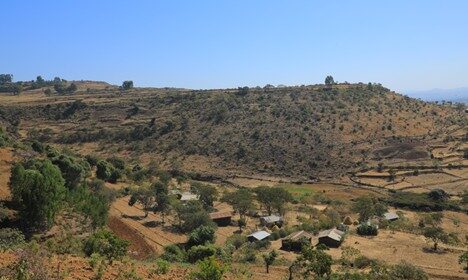
In the vast arid landscapes of Turkana County, Kenya, communities have long lived with the recurring impacts of drought, land degradation, and shrinking natural resources. For generations, pastoralists and agro-pastoralists have observed the land drying up, pastures disappearing, water sources becoming unreliable, and the invasion of harmful species such as Prosopis juliflora crowding out native vegetation. Yet amid these persistent challenges, a meaningful transformation is quietly unfolding. Through TUPADO’s direct regranting work, communities are becoming the primary drivers and monitors of landscape change, tracking progress through the indicators that matter most in their daily lives.
Seeing Change Through Everyday Experience
For communities in Turkana, success is not measured solely through technical project indicators or external evaluations. It is measured through lived experience: water flowing into boreholes and pipelines that had long run dry, kitchen gardens producing vegetables for the first time in years, pastures recovering after reseeding, less migration to Karamajong among other places and livestock surviving drought seasons because locally baled fodder was available. These visible, tangible changes are what restoration looks like on the ground.
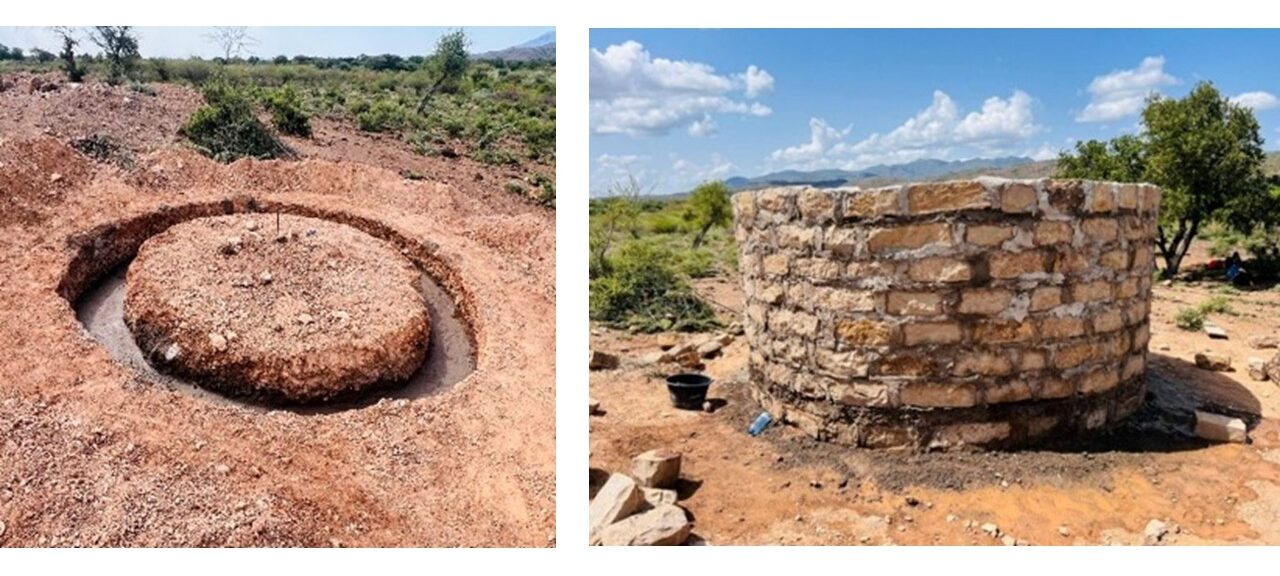
When boreholes are rehabilitated and pipelines restored, communities can directly observe whether crop production, fodder cultivation, and household water security are improving. The distance a family must travel to reach safe water, the quality of that water, and whether it is available for livestock, domestic use, or small-scale irrigation are all practical gauges of progress that communities themselves can assess and discuss.
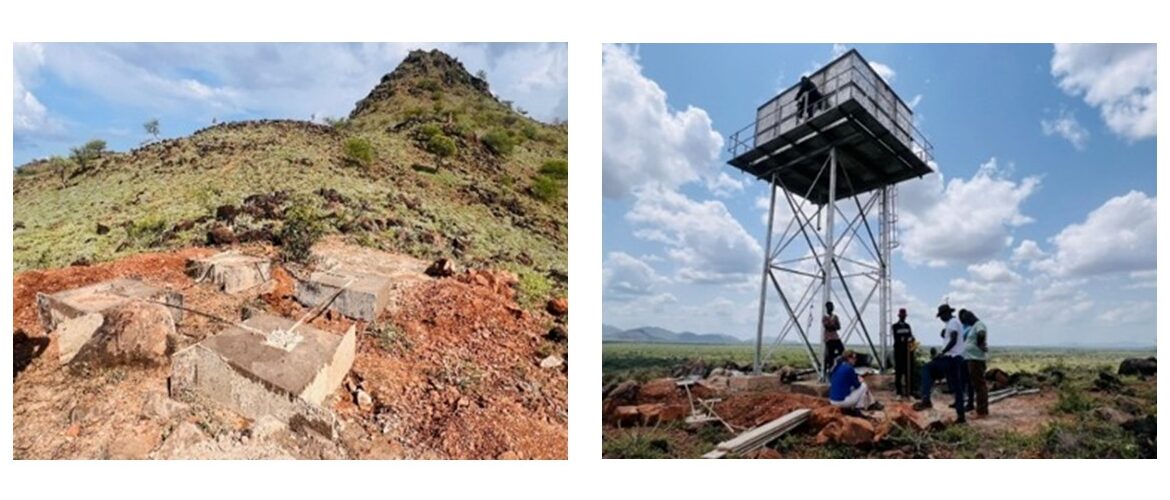
The spread of Prosopis juliflora has been one of the most visible signs of degradation across Turkana’s landscapes. Clearing this invasive species and reclaiming land for productive use has therefore become a powerful community-led indicator of restoration. When community members can point to a field that was once choked with Prosopis and is now under cultivation or rangeland management, they know that restoration is real and ongoing. Fencing, land clearing, storage rehabilitation, and pasture development are additional markers that degraded land is being protected, reused, and prepared for long-term productivity.
Communities also track natural recovery across the restored areas: the return of native grass species, the presence of wildlife, the visible improvement in vegetation cover, and the productivity of reseeded rangelands. Biodiversity at restoration sites (the types and numbers of plants and animals present) offers communities an intuitive and meaningful measure of ecological health.
Livelihoods as a Measure of Restoration
In Turkana, landscape restoration is inseparable from livelihood recovery. Communities assess progress by tracking farm produce: the kilograms of seeds harvested, the bales of fodder hay produced, the varieties of vegetables planted and sold, and the income generated from farm activity. Livestock productivity (reflected in herd sizes, milk yelds, meat quality, and market prices) provides another direct measure of how well the land is supporting people’s lives.
One of the most powerful livelihood indicators documented through TUPADO’s work has been the role of fodder reseeding and hay baling in protecting livestock during drought. Community members can name how many livestock survived a drought season because locally produced fodder was available: a direct link between landscape-level action and household-level resilience. As one community member reflected, “When we have fodder ready before the drought hits, we do not lose our animals. The land is taking care of us because we took care of it.”
Social and Institutional Change as Indicators
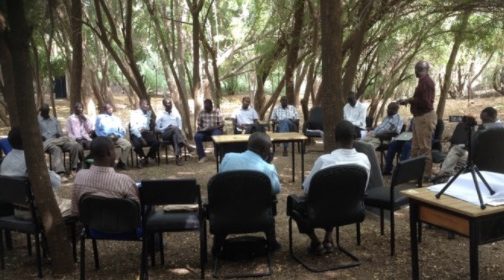
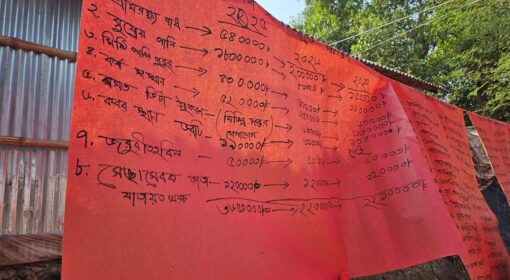
Beyond environmental and economic changes, TUPADO’s communities measure restoration through shifts in how people organize, plan, and manage resources together. Stronger savings groups, improved budgeting practices, better record-keeping, and shared decision-making processes demonstrate that restoration is also about community capacity and ownership. When groups can account for how funds were used, when committees meet regularly and make decisions transparently, and when members feel empowered to monitor and report on activities, these are signs that institutional foundations for lasting change are being built.
Communities also observe the ripple effects of restoration across other sectors. Restoration initiatives create employment, support local trade, improve nutrition and health outcomes, enable children to attend school more consistently, and reduce conflicts over shrinking resources. These cross-sectoral benefits become part of how communities define and communicate success. As one savings group leader noted, “When the land recovers, everything recovers. We argue less. We eat better. Our children stay in school.”
What Communities Measure: Key Indicators
Across TUPADO’s regranting sites, communities use observation and lived experience to detect and document landscape changes. Key indicators they track include:
- Area of land cleared from Prosopis juliflora invasion
- Area of land under irrigation or agricultural use
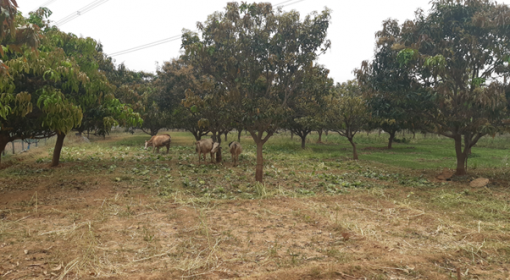
- Area of land restored under fodder production, crops, vegetation, or reseeding (rangeland management)
- Water accessibility and availability — type of water source, quality, distance covered to reach it, storage and harvesting facilities, and use (livestock, domestic, or agricultural)
- Observed natural productivity — how vegetation, grasses, and trees are recovering
- Biodiversity at restored areas — number of wildlife present and types of vegetation returning
- Farm produce — fodder hay baled, kilograms of seeds harvested, types of vegetables planted and sold, income generated
- Livestock productivity — herd size, milk, meat quality, and market prices
- Number of livestock saved from drought through locally produced fodder and reseeding
- Emerging events connected to restoration — conflict dynamics, livestock disease, business activities initiated, and other changes
- Benefits to other sectors — employment, education, health, security, and trade supported by restoration outcomes
- Number of people benefiting from restoration initiatives
Challenges and Adaptive Learning
As with any restoration effort, challenges remain an important part of the story. Seasonal variability, resource constraints, and the sheer scale of land degradation in Turkana mean that progress is rarely linear. Communities have had to adapt their plans when rain fell short, when equipment was unavailable, or when competing priorities arose. However, rather than undermining commitment, these challenges have encouraged continuous learning and stronger local planning. Community groups increasingly discuss what worked, what did not, and what they would do differently, building the adaptive management capacity that lasting restoration demands.
Communities Defining Their Own Success
The key lesson emerging from Turkana is that meaningful measurement of landscape restoration must combine environmental change with local knowledge, livelihood benefits, and collective accountability. When communities define success for themselves (using indicators rooted in their own priorities and experiences) restoration becomes easier to track, more relevant to daily life, and more likely to endure beyond any single project cycle.
The experience from Turkana demonstrates a broader shift toward locally led adaptation, where communities are not simply recipients of restoration support but active decision-makers shaping their own landscapes and futures. By combining local knowledge, collective action, and community-driven monitoring, TUPADO’s regranting approach has enabled communities to define, track, and celebrate success on their own terms. As one Turkana community leader put it, “When we measure what matters to us, we know exactly whether we are moving forward.”