By Guta Eshetu, Femke van Woesik, Girma Senbeta, Nardos Masresha, Redeat Daniel
Ethiopia’s farmlands are paying the price for decades of chemical fertilizer use. Since the 1960s, synthetic inputs have become the backbone of agricultural productivity (Girmay et al., 2015), and for good reasons. Yields rose, food security improved, and farming modernized. But the costs have quietly accumulated: over 176,000 hectares of land in Arsi Zone alone have turned acidic, soil health is deteriorating, and farmers are trapped in a cycle of expensive imports they can barely afford. Something has to change.
The current price of chemical fertilizers is also unaffordable for most farming communities. Recent global news indicates that the price of chemical fertilizers is expected to rise by 21% compared to last year due to the costs of natural gas, geopolitical tensions, and trade policies of the producing countries (FinancialContent – Global Fertilizer Prices Set to Surge 21% as Trade Restrictions Bite). For instance, for the last year, Ethiopia imported about 658 million metric tons of chemical fertilizer and spent more than $1.3 billion, while it will increase this year (Ethiopian Ministry of Transport and Logistics et al., 2025).
This fertilizer trap is also seen in the Arsi Zone in Ethiopia. The government is importing a high volume of chemical fertilizer to the zone, but many farmers still see diminishing returns as soil degrades. Meanwhile, the broader damage mounts: chemical runoff pollutes waterways, pesticide residues enter the food chain, and populations of pollinators like bees and butterflies decline. The very foundation of long-term food production is being eroded to sustain short-term yields.
Recognizing this challenge, GOPA MetaMeta, in collaboration with the Oromia Agricultural Bureau, implemented the Green Future Farming (GFF) Project in Arsi Zone two years ago. The initiative aimed to promote regenerative agriculture through awareness creation, training, and practical demonstrations. Although the project directly targeted three woredas, namely Jeju, Sire, and Diksis, its impact extended across the entire zone through training-of-trainers programs and knowledge-sharing platforms. Farmers were introduced to practical solutions such as:
- Liquid biofertilizer preparation and utilization
- Vermiculture technology
These efforts are now contributing to a broader regenerative agriculture movement in the zone and beyond.
Vermiculture
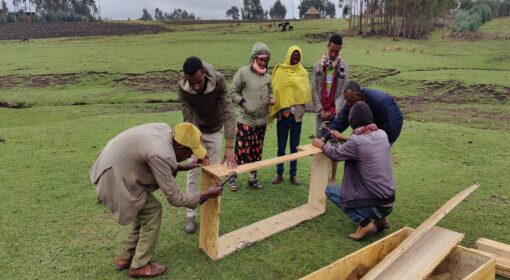
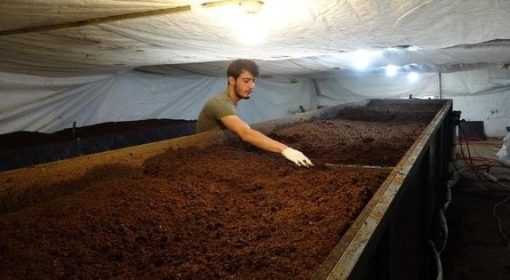
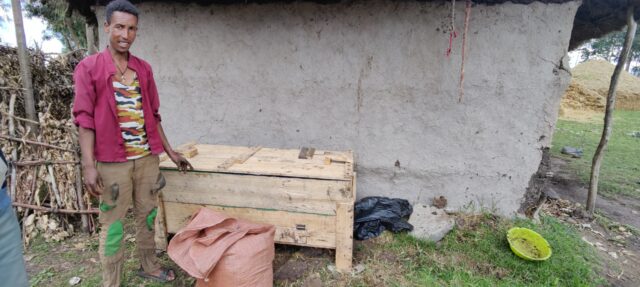
Vermiculture technology is introduced by involving farmers and relevant stakeholders in system establishment. 15 farmers were assisted with material provision and technical support. Soil fertility experts across the zone were involved through training and practical demonstration. Nowadays, the numbers are striking: 41 vermiculture centres are now operational across the zone, and over 80,000 farmers are producing vermicompost at home. Based on the data obtained from the Arsi Zone Agricultural Office soil fertility team leader, farmers are reporting a yield advantage of 5 Qt/ha using vermicompost alone and up to 10Qt/ha when combined with chemical fertilizers, reducing dependency without abandoning productivity.
Vermicompost plays a crucial role in reducing soil acidity by enhancing microbial activity and encouraging crops to absorb minerals from the soil. It is often referred to as an “appetizer” for crops because of its ability to activate their nutrient absorption capacity. Many farmers are using vermicompost instead of chemical fertilizers, or they are combining both types of fertilizers. When used alone, vermicompost serves as a complete substitute for chemical fertilizers, while using it in combination reduces the volume of chemical fertilizers needed. This practice significantly contributes to improving soil fertility and promotes sustainable agricultural practices in addition to production cost minimization.
The economic ripple effects are real, too. Young entrepreneurs organized as SMEs are earning 150,000–200,000 ETB selling worms and compost across the zone. Regenerative practice is becoming a regenerative income.
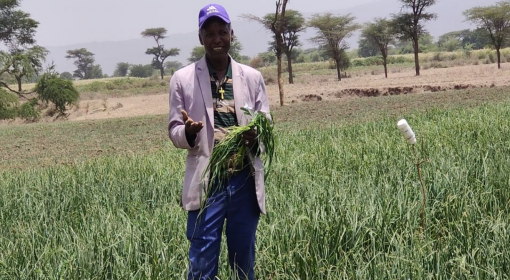
Story from Mr. Derese My name is Mr. Derese, and I live in Diksis Woreda, Diksis Muraticha Kebele. I created a vermicomposting bin using materials provided by the GFF project team. After feeding the worms, I collected vermicompost about a month ago. Since this was my first time working with it, I wasn’t fully convinced of its importance and potential as a substitute for chemical fertilizer. I was initially looking for chemical fertilizer, but it did not arrive at our kebele store on time, and I needed to proceed with sowing faba beans and barley. Therefore, I decided to use the vermicompost instead of the chemical fertilizer. I applied it during planting and used the liquid biofertilizer I made at home. The crop performance has been amazing, and I am surprised by the results.
|
Liquid biofertilizer
Liquid biofertilizer is another technology that was demonstrated in the region during a challenging time when access to chemical fertilizers was limited. Model farmers’ training, the Training of Trainers (ToT) sessions, and practical demonstrations conducted during the project’s implementation encouraged farming communities to adopt regenerative agricultural practices.
The microbes developed during the fermentation of liquid biofertilizer help crops withstand disease infections and enhance their immune response, in addition to providing essential nutrients. Farmers are now using liquid biofertilizer as a production booster and as a supplement to reduce their reliance on chemical fertilizers.
Another benefit in times of supply insecurity is that liquid biofertilizer can be made at home using locally available materials such as cow dung, sugar, wood ash, rock dust, milk, and yeast. Since these materials can be found in every local community, the cost is quite low; no more than 120 ETB (approximately $0.77), which can cover 1ha of land. This fertilizer is suitable for producing all types of crops, as we observed and gathered information from farming communities who adopted it, and a 4-65% yield advantage is also recorded for different crops.
Although accurate data on the number of farmers using liquid biofertilizer has not been collected, agricultural experts in the area report that it is benefiting local communities. For example, data from the GFF project area in the Jeju district shows that 95 male and 17 female household farmers prepared liquid biofertilizer for the upcoming cropping season. Utilizing locally produced agricultural inputs like liquid biofertilizer is an effective way to reduce the country’s foreign currency expenditure.
Additionally, there are young individuals producing liquid biofertilizer in large quantities and selling it to neighbors at a very low price, benefiting those who are unable to produce it themselves due to time constraints or other reasons. This practice is also serving as an income-generating activity for them and supports the local economy.
A practical, not idealistic, shift
Regenerative agriculture is sometimes framed as a retreat from modernity, a romantic return to pre-industrial farming. Arsi Zone shows that framing is wrong. Vermicomposting and farmyard manure integration are not alternatives to productivity; they are pathways to more resilient productivity. They restore topsoil, improve water retention, increase biodiversity, and reduce the import bill, all while maintaining or improving yields.
The choice ahead
Ethiopia cannot continue exporting its soil fertility to fertilizer suppliers. The transition to regenerative practices will require investment in training, in infrastructure like liquid Biofertilizer, vermiculture centers, and in policy frameworks that reward soil health alongside yield. But as Arsi Zone demonstrates, the returns justify it: healthier land, stronger livelihoods, and farming systems that can sustain production for the next generation, not just the next harvest.
References
- Girmay, G. & Center for Rural Development, College of Development Studies, Addis Ababa University. (2015). Chemical Fertilizer Marketing and Uptake in Ethiopia: Evidence from Ada`a District of Oromia Regional State. In Research Journal of Agriculture and Environmental Management (Vols. 4–7, pp. 307–320) [Journal-article]. http://www.apexjournal.org
- Ethiopian Ministry of Transport and Logistics, Ethiopian Agricultural Transformation Agency (ATA), Ethiopian Chamber of Commerce and Sectoral Associations, Ethiopian logistics and transport companies, Ethiopian Ministry of Agriculture, & Ethiopian National Fertilizer Corporation. (2025). Ethiopia imports over 658,000 metric tons of fertilizer. Daily News.
- Ethiopian Agricultural Businesses Corporation. (2024). ለመስኖ እርሻ የሚውል የአፈር ማዳበሪያ የግዥ ሂደት ተጀመረ. In the Ethiopian Agricultural Businesses Corporation.https://ethioagri.com/2024/09/07/ለመስኖ-እርሻ-የሚውል-የአፈር-ማዳበሪያ-የ/