By Abebaw Zeleke, ORDA Ethiopia, supported by Nardos Masresha
This blog is part of a dossier on locally-led adaptation, featuring insights and lessons from the Reversing the Flow (RtF) program. RtF empowers communities in Bangladesh, Burkina Faso, Ethiopia, Kenya, and Sudan to build climate resilience through direct funding and a community-driven, landscape approach.
Collecting water used to be one of the hardest parts of the day for Mrs. Sifelig Yismaw. The 40-year-old farmer lives with her family (5 members) in the Gomengie watershed of Koti Kebele, Yilmana Densa Woreda, in the North Gojjam Zone of the Amhara Region of Ethiopia. Like many families in the area, they depend on farming and livestock for their livelihood.
For years, access to safe water was a daily struggle. The nearest water source was far from her home, and the journey to fetch water often took more than an hour.
“I had to walk for about one and a half hours to collect water,” Mrs. Sifelig recalls. “Even after such a long walk, the water was not clean. My family often became sick, and we spent extra money on medicines and clinic visits.” Unsafe water affected many families in the community. Water-borne illnesses such as amoeba were common, and the long walks for water took time away from farming, household work, and caring for children.
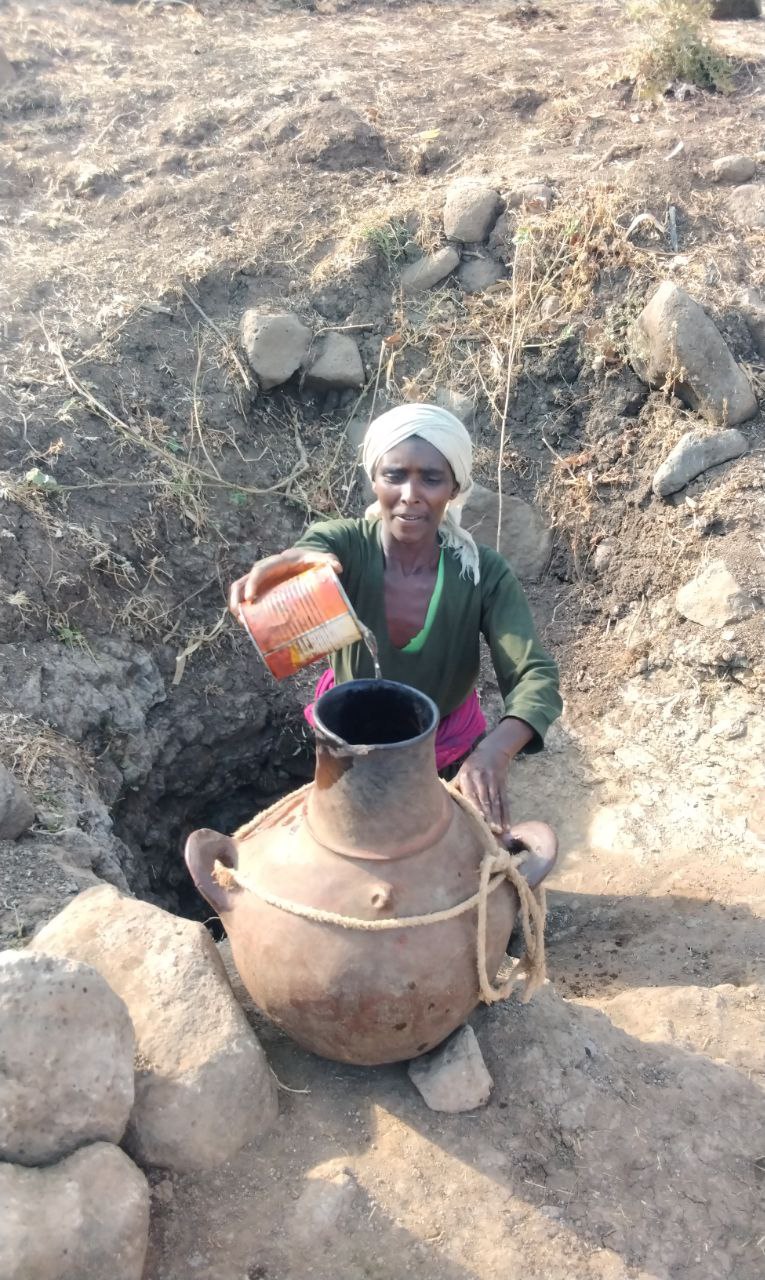
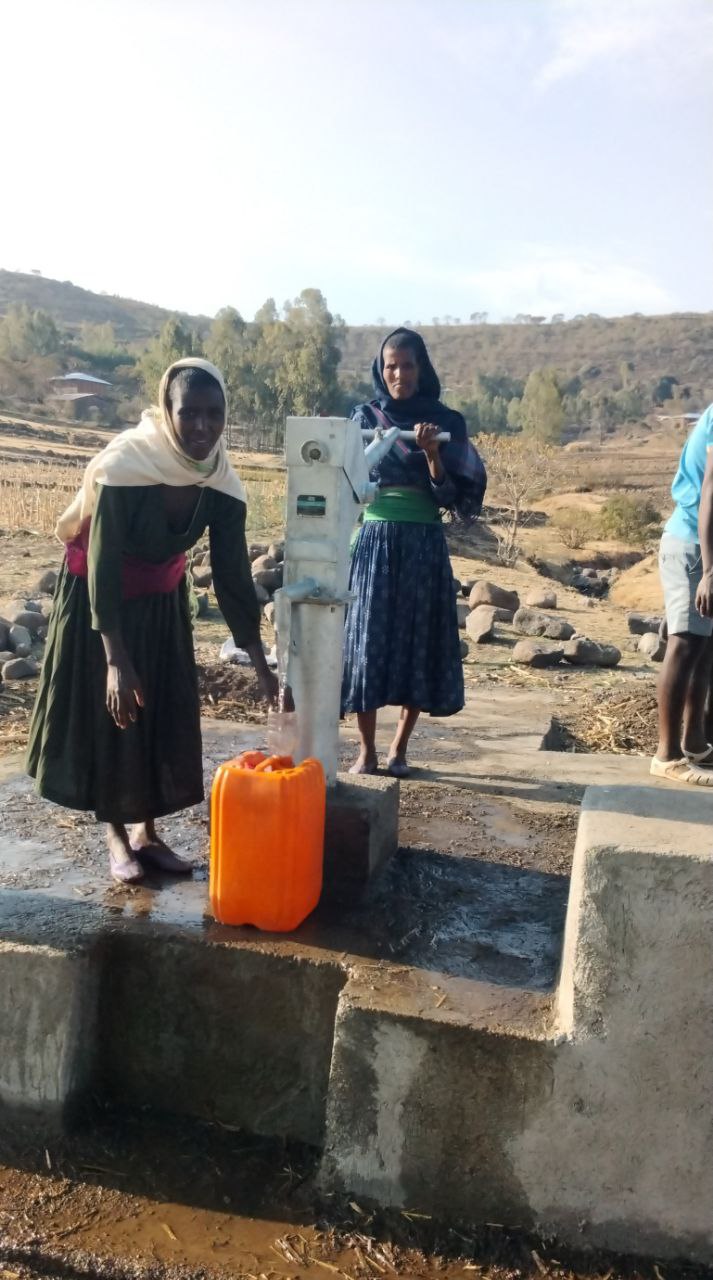
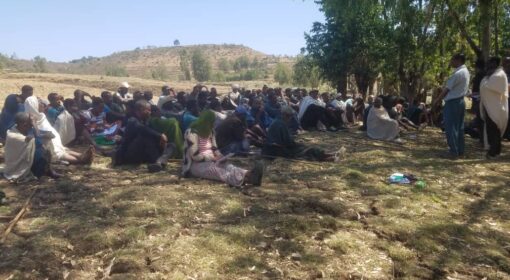
Recognizing the seriousness of the problem, residents of the Gomengie watershed came together to discuss possible solutions. Access to safe drinking water quickly emerged as their top priority. After several community discussions, they agreed that constructing a shallow borehole would be the most practical and sustainable option.
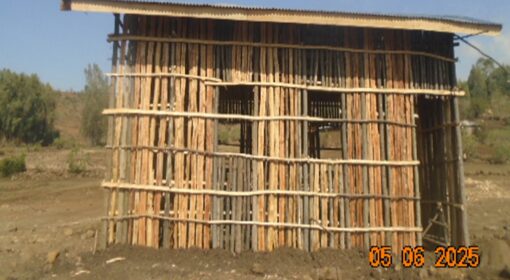
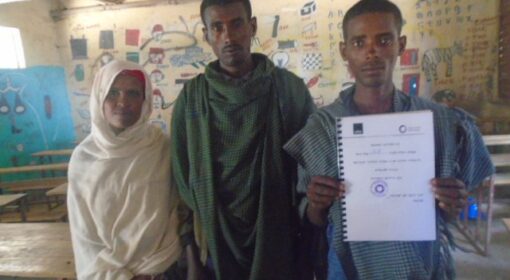
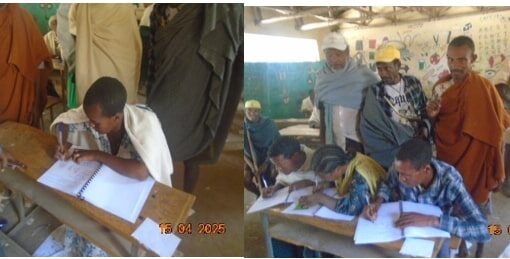
This community-led effort was supported through the Reversing the Flow (RtF) project. The initiative empowers local communities to identify and solve their own challenges. In Gomengie, the community not only prioritized the water problem but also took responsibility for implementing the solution. With direct financing and technical support from the ORDA Ethiopia, they managed the entire process, including contracting a private drilling company to construct the borehole.
Community members organized themselves and formed committees to lead the work. They selected the site, coordinated construction activities, and worked closely with technical experts to ensure the borehole was properly installed.
Today, the new water point has transformed daily life for Mrs. Sifelig and her neighbors. Safe water is now available within a short walking distance from their homes. What once required more than an hour of walking now takes only a few minutes.
“Now I can collect clean water very close to my home,” she says. “My family’s health has improved, and I save time and energy. Before, half of my day could be spent looking for water.” The time saved allows her to focus more on farming, household activities, and caring for her family. The reduced need for medical treatment has also helped the family save money.
The community is also taking responsibility for sustaining the new water system. A water management committee has been established to oversee the operation of the scheme. Community members are planning to fence the water point and organize regular maintenance to protect the facility.
For Mrs. Sifelig and many others in the Gomengie watershed, the new borehole represents more than just a water source. It has brought relief from daily hardship and renewed hope for a healthier future. “Water is the foundation of life,” she says. “Now that we have safe water nearby, our lives are much better. I hope other communities can also get the same opportunity.”
The experience in Gomengie also shows the value of locally led development. When communities take the lead in shaping their own future. With the right support, local solutions can deliver lasting change, bringing not only clean water, but dignity, health, and opportunity.
Today, fetching water no longer requires long and exhausting walks. For families (in 32 households) like Mrs. Sifelig’s, the nearby borehole means healthier lives, more time for productive work, and a stronger sense of community ownership and cooperation.
| Gomengie shallow borehole quick info · Households using the borehole: ~32 households · Distance to water before: 1.5 hours walk each way · Distance to water now: <10 minutes · Borehole type: Shallow community borehole with hand pump · Health impact: Fewer water-borne illnesses · Community involvement: Committees selected site, managed construction, and oversaw maintenance · Project support: Reversing the Flow Project & ORDA Ethiopia technical guidance |