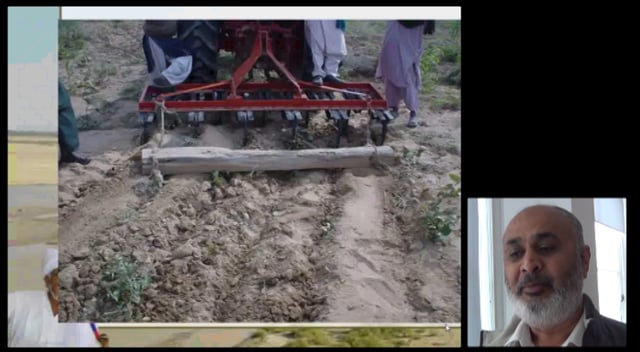
The area under spate irrigation in Pakistan is very substantial, and by most reliable estimates it is 1.4 M ha – or equivalent to 9% of the entire area. It is very much neglected and almost invisible in programs and policies of government and civil society. There has been a steady deterioration in water management, bringing the areas into a downward spiral. This deterioration is manifest in the construction of unauthorized water diversions, the silting up of the flood channels, and the development of gullies distorting the hydraulics. In addition, there has been a deterioration in forestry resources, rangelands, and livestock material.
There are, however, considerable opportunities to revive/ improve the productivity of the spate irrigated areas. That’s why the Pakistan Spate Irrigation Network was born in 2007, bringing together the current knowledge and experience in spate irrigation, connecting the different organizations working in spate irrigation, and promoting and lobbying for adequate and appropriate attention to spate irrigated livelihoods.
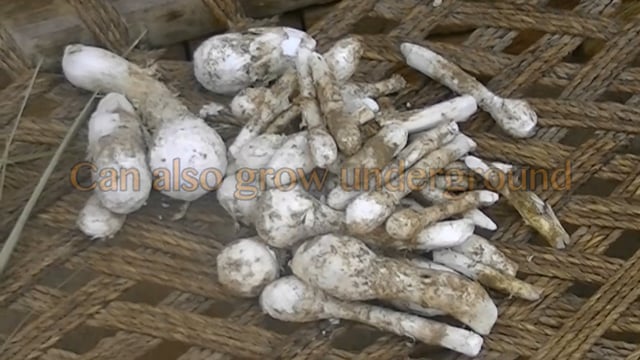
TheWaterChannel presents a series of clips that cover a range of topics related directly to the communities of these spate irrigation areas in Pakistan. Rural technologies such as the hand-driven grinding mill or mechanical/electrically driven, the fodder chopper machine, Oil Extractor Machine, or wild mushrooms are typically grown in this land.
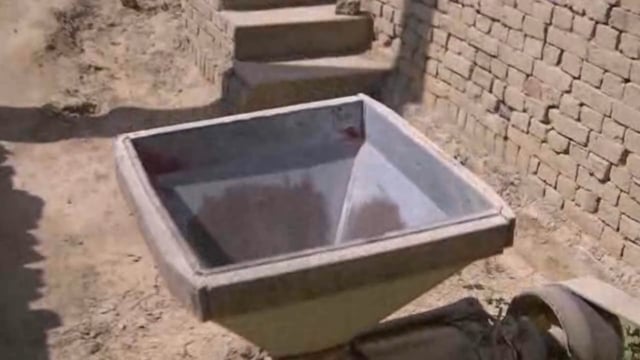
This video presents the oil-extracting equipment, very popular in rural areas. It is driven mechanically/electrically, used for rapeseed, mustard, cottonseed, sesame, and similar crops. Its cost between 250 and 350 US $. Its operation, repair, and maintenance are easy.
More info: /www.spate-irrigation.org
Produced by: TheWaterChannel
Year: 2013
Language: English subtitles
Region: Pakistan