By Abraham Mehari and Joseph Ashong
This real-life story series is part of the Strengthening Inclusive Partnerships for Smallholders in Rain-Fed Areas (SIPRA) project in Sudan, featuring insights and impacts from the Challenge Fund and agribusiness investments. SIPRA operates in seven states in Sudan to strengthen food security, livelihoods, and local economies. It facilitates agribusiness partnerships among smallholder farmers, SMEs, women, youth, the private sector, and local actors to build scalable, sustainable livelihoods.
Groundnuts are more than just a crop in Sudan; they are a cornerstone of rural livelihoods, nutrition, and local trade. For many communities, they represent one of the few reliable sources of income and food security. Yet, despite their importance, much of their potential often goes untapped due to limited processing, weak market access, and high post-harvest losses.
In Alnayir Village, located in East Darfur State, this was exactly the case until the SIPRA Programme, funded by the Netherlands Ministry of Foreign Affairs, was introduced to the community with a low-cost, scalable groundnut value addition intervention.
Challenges before SIPRA
Farmers in Alnayir were producing groundnuts, but they were largely selling them raw, missing out on the higher value that comes from processing. Market access was inconsistent, input costs fluctuated, and significant portions of the harvest were lost after collection.
For households, this translated into limited income, low dietary diversity, and few opportunities, especially for women and youth, to engage in meaningful economic activities.
A small investment, a big impact
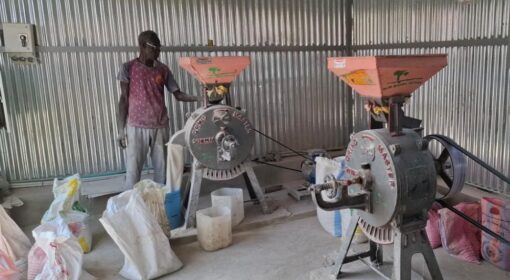
Through a small grant (€10,560) from SIPRA, the Alwihda Producer Association (PA), composed of 33 members (including women and youth), received oilseed processing equipment, along with technical, business, and financial training.
This was not just about providing a machine and leaving the local community to deal with its management. It was about unlocking a local system, backed up with technical and financial training.
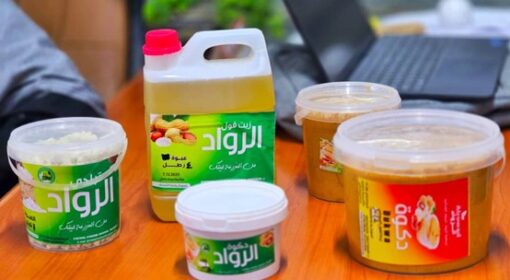
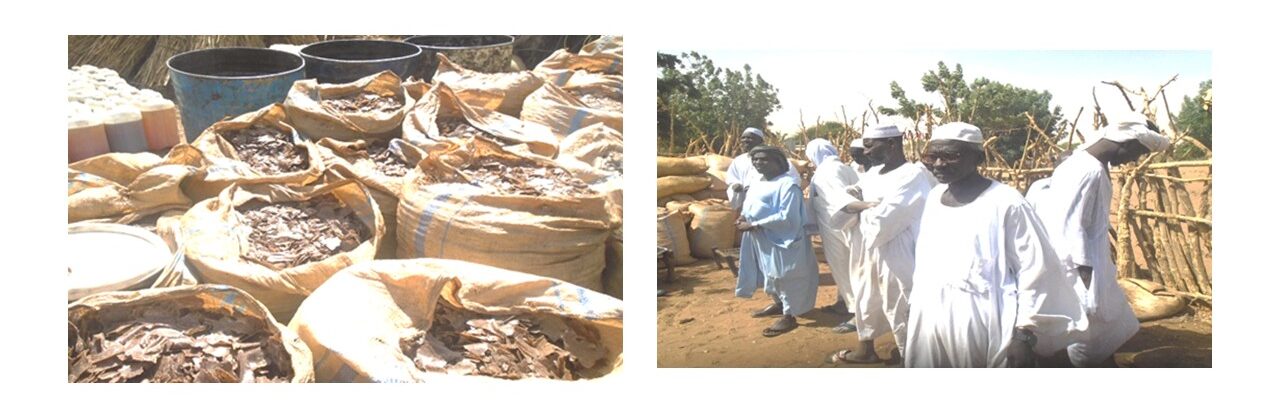
With the new setup, groundnuts could be processed into high-quality oil for sale, while the by-products were repurposed as livestock feed, ensuring that nothing went to waste. At the same time, connections with private sector actors helped the group access more stable and profitable markets.
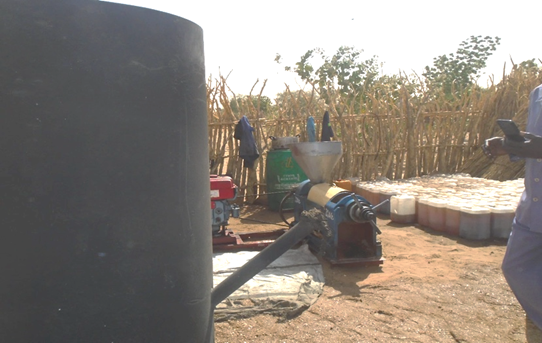
Turning production into prosperity
The results were visible almost immediately. Within just three months, household incomes increased by around 50%, reaching over 200 households in the village. The processing unit created 20 new jobs, many of them filled by women and young people who previously had limited access to income-generating opportunities.
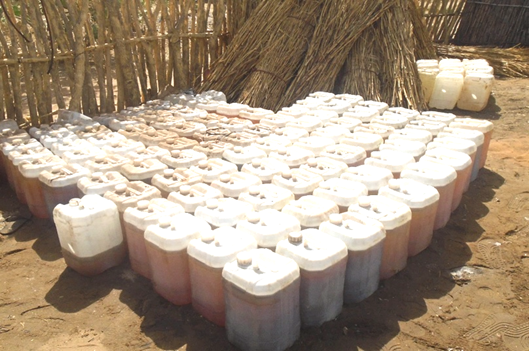
Production scaled rapidly: about 90 tons of groundnuts were processed in the first cycle, generating a steady daily output of high-quality oil. This not only improved supply but also shifted local consumption patterns, with more households choosing locally produced oil over expensive alternatives.
Demand followed. The availability of better-quality oil, with a longer shelf life (~6 months), led to a strong increase in market demand, strengthening the village’s position in the local economy.
Beyond income: strengthening the rural system
What is happening in Alnayir goes beyond a single success story. It is an example of how rural economies can be transformed through targeted, locally-driven, and practical interventions.
By investing in value addition, the rural community has:
- Diversified its income sources
- Reduced reliance on unstable external markets
- Created a local circular system where waste becomes a resource
- Encouraged private sector engagement and market stability
A voice from the community
“Before the oilseed processing machine, accessing high-quality oil was costly and difficult. Now, women and youth have jobs, households earn more, and the community enjoys better food security and economic resilience.”
— Chairman, Alwihda Producer Association