By Abraham Mehari and Joseph Ashong
This real-life story series is part of the Strengthening Inclusive Partnerships for Smallholders in Rain-Fed Areas (SIPRA) project in Sudan, featuring insights and impacts from the Challenge Fund and agribusiness investments. SIPRA operates in seven states in Sudan to strengthen food security, livelihoods, and local economies. It facilitates agribusiness partnerships among smallholder farmers, SMEs, women, youth, the private sector, and local actors to build scalable, sustainable livelihoods.
Groundnuts are a vital crop in Sudan, supporting both rural incomes and household nutrition. But for many farmers, especially women, the benefits of this crop have long been limited to selling it raw at low prices.
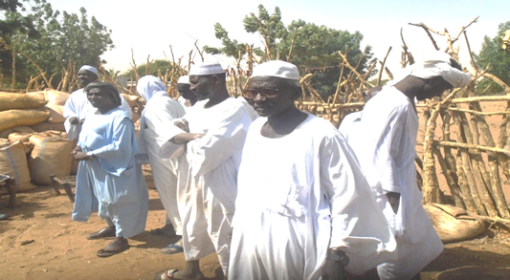
In Kom Shita Village, in Gedaref State, this reality is beginning to change, driven by a women-led farmer group known as El-Ruwad Farmer Network, which is redefining what is possible in rural agribusiness. This network, comprised of 171 women and 55 men, with a wide reach of 226 households, is attempting to break the cycle of low returns through a small grant from the SIPRA Challenge Fund and agribusiness investment partnerships
Challenges before SIPRA
For years, farmers in Kum Shita cultivated groundnuts but captured only a fraction of their true value. Without access to local processing, they had little choice but to sell to traders and middlemen at low prices.
Processing into products like oil or peanut butter required traveling long distances, adding costs and effort, barriers that disproportionately affected women. At the same time, opportunities for youth to engage in agriculture beyond farming were limited.
The result? A cash crop, but a weak system around it.
A women-led shift toward value addition
Through targeted support, the El-Ruwad Farmer Network, led by women, received the tools and training needed to transform their production system.
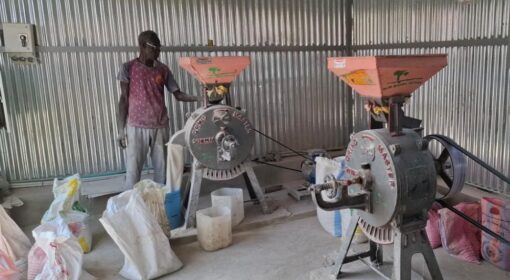
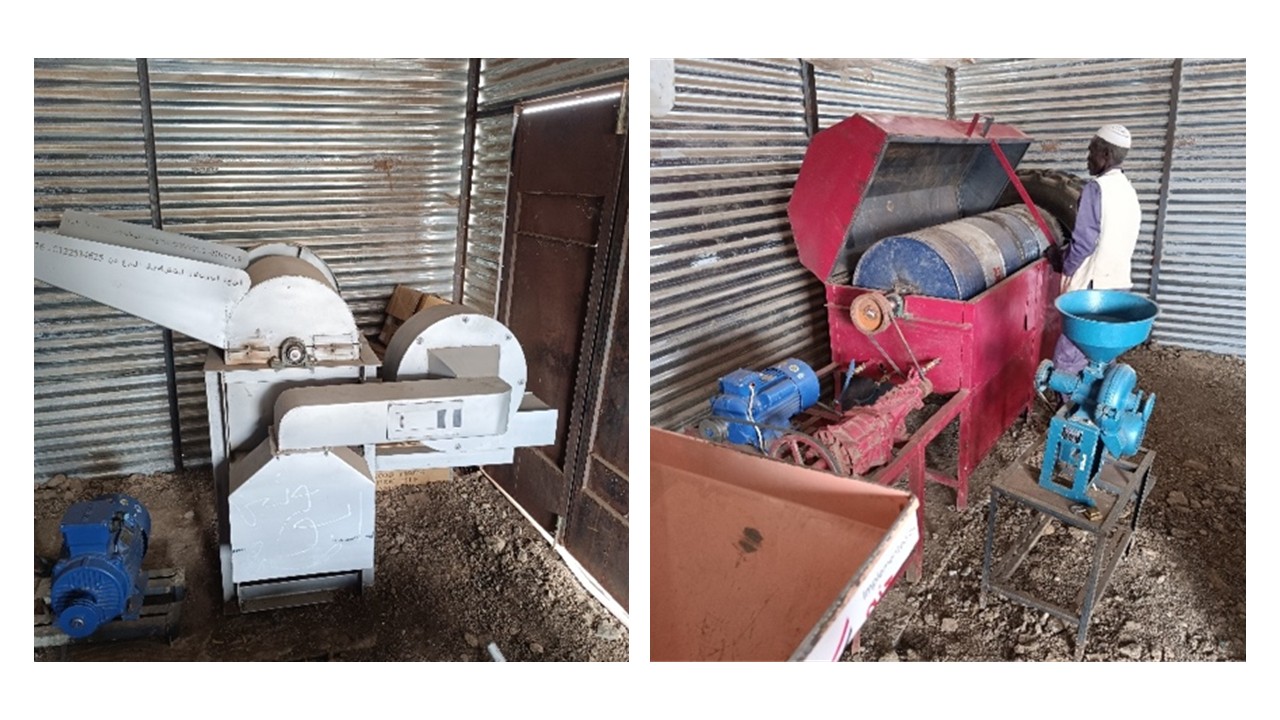
Processing equipment, including peeling machines and oil expellers, was introduced alongside packaging materials to improve product quality and marketability. Farmers were trained not only in production, but also in financial management, marketing, and business operations.
This combination made one critical shift possible: groundnuts gained and added value – they became a range of marketable products.
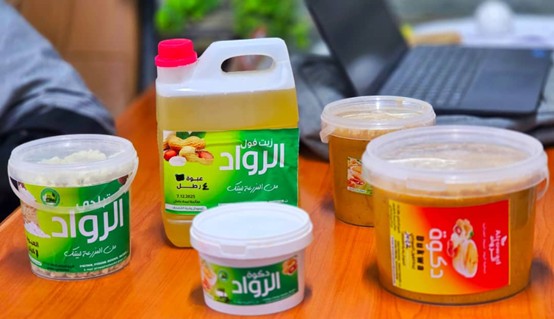
Oil, peanut butter, and animal feed could now be produced locally, creating multiple income streams from a single harvest.
More products, more income, more opportunities
The impact has been both immediate and significant. Income per unit of production more than doubled, as farmers began selling higher-value products instead of raw groundnuts. Each sack could now generate oil, peanut butter, and animal feed, maximizing the value extracted from every harvest. Every sack of raw groundnuts generated 17 liters of groundnut oil, 20 Kg of peanut butter, and 70 kg of animal feed.
This transformation has directly benefited over 200 households, while also creating new jobs in processing, packaging, and distribution. Importantly, many of these opportunities are being filled by women and young people, expanding their role in the local economy.
A stronger, more inclusive local economy
Beyond individual gains, this shift is strengthening the broader agri-food system in Kum Shita, in the Gedaref State in Sudan.
By capturing more value locally, the community is:
- Increasing resilience against market fluctuations
- Building a more diversified and stable rural economy
- Encouraging local entrepreneurship and private sector engagement
- Expanding opportunities for women and youth to lead and participate
It is a clear example of how empowering local actors, particularly women, can unlock systemic change.
A voice from the field
“Before, we sold groundnuts cheaply to traders. Now we produce oil, peanut butter, and animal feed, which has doubled our income and created jobs for young people in our village.”
— Member, El-Ruwad Farmer Network