By Redeat Daneil and Girma Senbeta
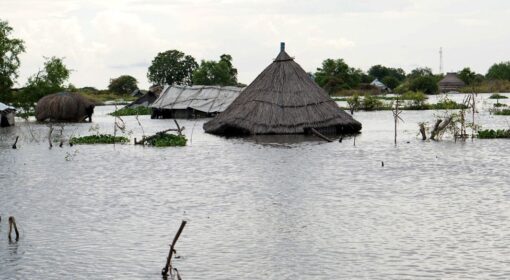
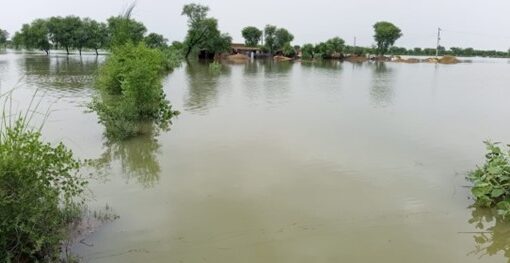
The Eastern Nile region, spanning the Blue Nile (Abbay), Baro Akobo–Sobat, Tekeze–Setit–Atbara, and Lake Tana across Ethiopia, Sudan, and South Sudan, is increasingly affected by extreme hydrological variability, with recurrent floods and droughts exerting severe social, economic, and environmental impacts. In recent years, above‑average and highly variable rainfall has caused widespread riverine and flash flooding, displacing millions of people, destroying homes and infrastructure, inundating agricultural land, and disrupting essential services, particularly in Sudan and South Sudan, where exposure is highest. At the same time, prolonged dry spells, delayed rainfall onset, and seasonal droughts continue to reduce water availability, undermine rain‑fed agriculture, and accelerate livelihood losses in upstream and marginal areas, often affecting the same communities repeatedly. This increasing alternation between floods and droughts, driven by climate variability, land‑use change, and limited preparedness, has transformed hydrological extremes into chronic development and humanitarian challenges across the Eastern Nile Basin[1].
For many communities across the Eastern Nile region, floods are often associated with loss—damaged homes, disrupted livelihoods, and recurring humanitarian crises. Yet floods are not only disasters. When understood, managed, and prepared for, they can also become a source of life, fertility, and opportunity. Seasonal flooding has long played a critical role in shaping riverine and floodplain livelihoods throughout the region. Mild and predictable floods deposit nutrient-rich sediments that enhance agricultural productivity, recharge groundwater and surface water resources, support flood-recession farming and grazing systems, and sustain fisheries and wetlands, for example, in Amhara, Ethiopia. Floods coming from upstream carry fertile soil downstream, which improves soil quality and helps local communities grow crops. Despite these benefits, unplanned settlements in flood-prone areas, weak infrastructure, limited early warning systems, and fragmented institutional coordination often transform floods into recurrent humanitarian emergencies. Recognizing this dual nature of flooding, the Eastern Nile Flood Risk Mitigation Project (Work Package III- Support in Establishing Flood Community Awareness and Preparedness) has promoted an approach that seeks to reduce flood risks while preserving the socio-economic and environmental benefits of seasonal flooding.
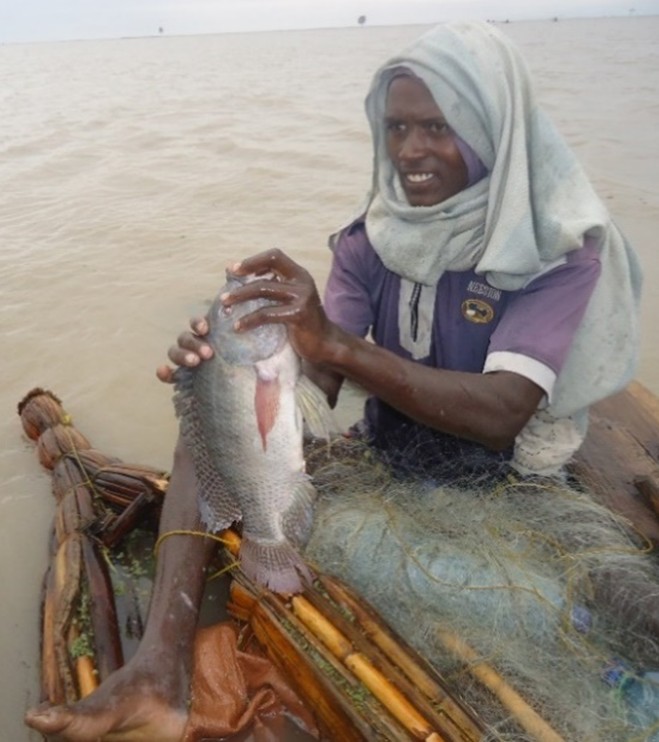
Flood Preparedness Strategies: Unlocking Flood Opportunities
Under the Eastern Nile Flood Risk Mitigation Project (Work Package III- Support in Establishing Flood Community Awareness and Preparedness) supported the development of community‑based flood preparedness and flood management strategies. These strategies are founded on the principle that floodwater can be managed as a valuable resource: retained through natural and engineered systems, reused productively to support livelihoods, and managed through planning and preparedness to minimize adverse impacts. Floodwater is only diverted or removed where risks exceed acceptable safety thresholds.
These strategies were grounded in field assessments, participatory community consultations, key informant interviews, focus group discussions, and hazard and vulnerability mapping. Together, they provided a practical framework for transforming floods from recurring shocks into manageable and productive natural events. These strategies are mainly reused productively, retained through natural and engineered systems, reduced in their damaging impacts through planning and preparedness, and safely removed only where risks exceed acceptable limits.
A central focus of these strategies is preparedness. Floods can only become opportunities when communities are informed, organized, and protected. Strengthened early warning systems combining scientific forecasts with indigenous knowledge enable households to protect assets, adjust crop calendars, relocate livestock to safer ground, and prepare for seasonal inundation. Community flood committees further enhance coordination for preparedness, monitoring, evacuation, and recovery, shifting responses from ad‑hoc emergency actions to planned and anticipatory flood management.
Another key pillar is flood‑sensitive land‑use planning. Rather than attempting to eliminate flooding, flood‑prone areas are managed as buffer zones where permanent settlements are discouraged, and controlled flooding is allowed to occur safely. This approach reduces exposure to flood damage while preserving the productive functions of floodwaters, including soil enrichment and water storage. Nature‑based solutions such as wetlands and retention areas are promoted to moderate flood peaks and improve overall water management while supporting ecosystems and livelihoods.
ENTRO‑supported strategies also emphasize context‑appropriate infrastructure and housing solutions. Instead of relying solely on emergency embankments, attention is given to improving the design, operation, and maintenance of flood protection structures, strengthening drainage systems, and maintaining access routes during flood seasons. Gradual transitions toward flood‑resilient housing using improved foundations and locally available materials reduce vulnerability while remaining affordable and socially acceptable for communities.
Through such approaches, flood‑affected communities can move from chronic vulnerability toward resilience. With the right combination of planning, capacity development, and infrastructure, floods can support livelihoods, enhance ecosystem services, and strengthen long‑term climate resilience, transforming hazards into hope.
Curious how flood response can go hand in hand with long-term resilience? Discover GOPA MetaMeta’s approach for disaster risk management in Ethiopia in this short 8-page document https://thewaterchannel.tv/wp-content/uploads/2026/03/Flood-and-Disaster-Risk-Management-GOPA-offer_compressed.pdf
References:
[1] OCHA. (2026, April 16). South Sudan Humanitarian Update 1-17 April 2026 – South Sudan | ReliefWeb