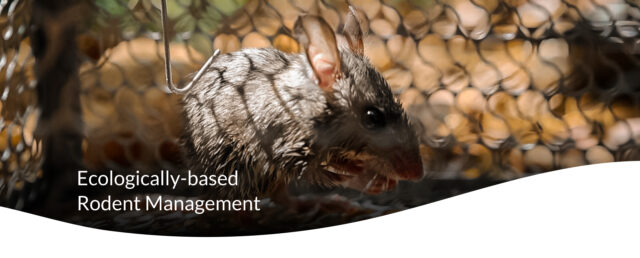
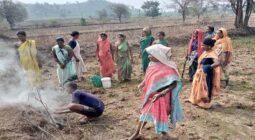
| Rodents are among the most widespread and highly adaptable mammals in the world. They play important ecological roles by contributing to seed dispersal, enhancing soil aeration, and accelerating the decomposition and renewal of plant material. Rodents also form a vital part of food webs, serving as prey for numerous predators, including birds of prey, mammals, and reptiles. | At the same time, rodent populations can pose significant challenges to agriculture and public health, yet rodent management often remains overlooked. Conventional control methods, particularly the use of rodenticides, have often proven ineffective or unsustainable due to increasing resistance among rodent populations and growing environmental concerns. | As a result, Ecologically Based Rodent Management (EBRM) has emerged as a promising alternative approach. EBRM applies ecological understanding of rodent behavior, population dynamics, local contexts, and environmental conditions to develop long-term, sustainable, and culturally appropriate pest management strategies. | This dossier compiles blogs, videos, and key publications on alternative, eco-friendly rodent management approaches in diverse contexts. It aims to document practical methods across different contexts while highlighting the importance of integrated pest management, locally feasible solutions, and collective community action. |