Green Infrastructure
Green Roads and Green Infrastructure represent a transformative approach to the planning, design, construction, and management of transport systems. Rather than viewing roads solely as linear infrastructure with unavoidable environmental costs, this perspective reframes them as opportunities to actively enhance ecosystems, strengthen climate resilience, and support inclusive development outcomes.
This dossier brings together a curated collection of videos, blogs, and field experiences from around the world since 2014, spanning over 15 countries, showcasing Green Roads practice, techniques, governance, and enabling environments across diverse contexts. Together, these materials reflect a growing global movement to reposition transport infrastructure as a driver of environmental restoration, climate resilience, and sustainable development.
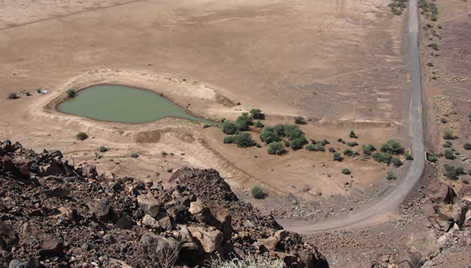
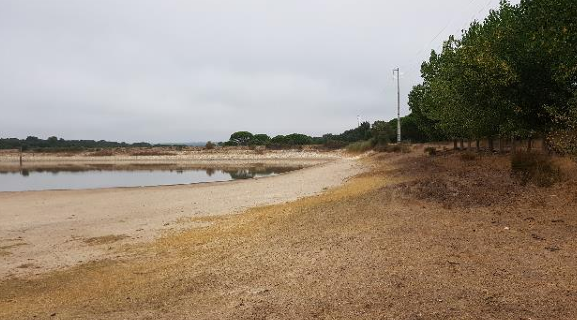
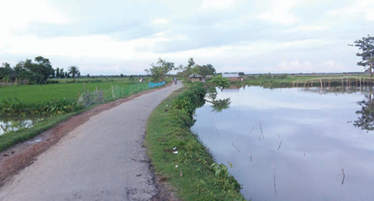
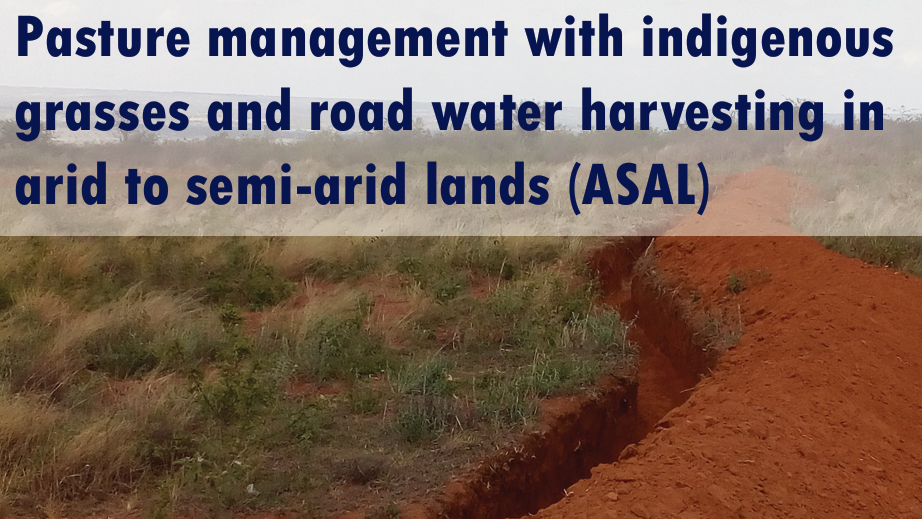
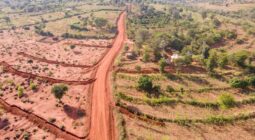
A key entry point to this agenda has been the Green Roads for Water (GR4W) concept, which demonstrated how roads can be aligned with natural hydrological systems. When well designed, they can help manage water flows, reduce erosion and flooding, support groundwater recharge, enhance agricultural productivity, and strengthen ecosystem restoration and community resilience.
Building on this foundation, the Green Roads agenda has expanded beyond water to include decarbonization, biodiversity conservation, pollution reduction, disaster risk management, sustainable materials, and inclusive development. With over 40 million kilometers of existing roads and more than 1.2 million kilometers added annually, integrating these principles into transport planning is both urgent and essential!
More technical resources, such as guidelines, papers, and the latest news, are anchored in the Green Roads for Water Learning Alliance at www.roadsforwater.org

Downloadable Resources

Blogposts
More >
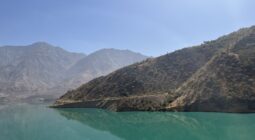
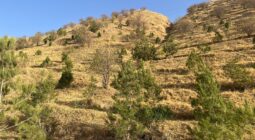
Videos
More >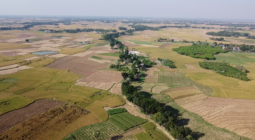
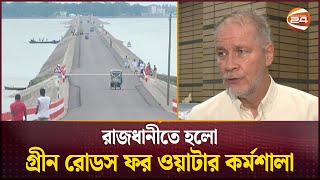
Dossiers
- Small Water Cycles and Local Climates
- Knowledge Repository for GFFA 2026
- Improved Laundry and Hygiene
- Ecologically-based Rodent Management
- Green and Blue Economy
- Vital Water Services
- Climate and Health
- Soil Management
- Green Transformation
- Green Infrastructure
- Dryland Development
- Agroecology
- Flood and Drought Management
- Locally-Led Adaptation in Practice
- Groundwater Management
- Water Governance and Development Partnership
- Preserving Assets - Operation and Maintenance in Delta’s
- Salinity Management
- Water integrity
- Water Productivity and Irrigation Management
- Managing Desert Locusts
- None left behind
- Mega Irrigation
- Cross-Cutting Topics