Flood and Drought Management
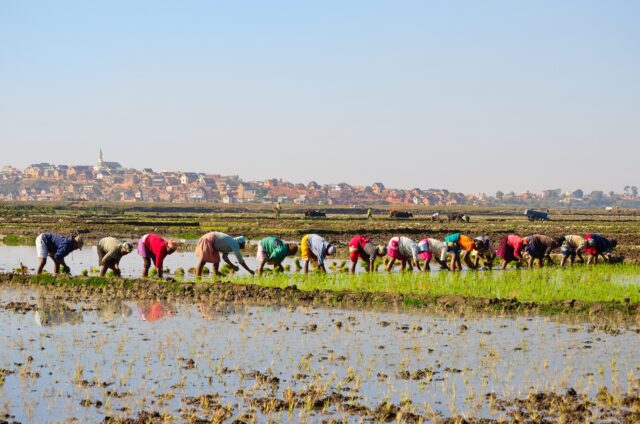
Floods and droughts are among the most visible expressions of climate variability, shaping landscapes, ecosystems, and livelihoods across the world’s drylands, river basins, and floodplains. While often perceived solely as natural disasters, both extremes are closely connected through water management practices and can, when properly understood and managed, become opportunities to strengthen resilience, support livelihoods, and restore ecosystems.
In many regions, particularly across Africa and other water-stressed environments, limited and highly variable water availability undermines food security, economic stability, and social development. Erratic rainfall, prolonged droughts, land degradation, and increasing climate pressures continue to affect millions of people. Sustainable dryland development, therefore, bundles promising practices, ranging from producing fodder to boost animal stocks, building water spreading weirs in spate systems, to establishing women-led groups to grow winter-season vegetable crops.
At the same time, seasonal floods play an essential ecological and economic role. Floodwaters recharge aquifers, enrich soils, sustain biodiversity, and provide critical resources for agriculture, fisheries, and pastoral systems. For many rural communities, floods are not only hazards but valuable assets that enable productive livelihood systems. Flood-based approaches include floodplain agriculture, spate irrigation, inundation canals, and cultivation around temporary wetlands, alongside complementary activities such as floodplain fisheries, grazing systems, and sustainable use of floodplain vegetation.
Beyond field measures, strengthening institutional capacities and promoting local governance are key to facing these hazards in both immediate and lasting ways. Managing floods and droughts together requires moving beyond crisis response toward adaptive water management that works with natural hydrological cycles.
This dossier presents a range of knowledge products illustrating how harnessing seasonal water flows, restoring landscapes, and scaling locally proven practices can help communities adapt to climate change while improving equity, productivity, and ecosystem integrity.
For more information on flood-based livelihoods, please visit the Flood- Based Livelihoods Network at floodbased.org
Blogposts
More >

Videos
More >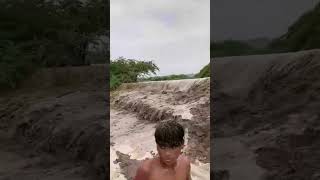
Dossiers
- Small Water Cycles and Local Climates
- Knowledge Repository for GFFA 2026
- Improved Laundry and Hygiene
- Ecologically-based Rodent Management
- Green and Blue Economy
- Vital Water Services
- Climate and Health
- Soil Management
- Green Transformation
- Green Infrastructure
- Dryland Development
- Agroecology
- Flood and Drought Management
- Locally-Led Adaptation in Practice
- Groundwater Management
- Water Governance and Development Partnership
- Preserving Assets - Operation and Maintenance in Delta’s
- Salinity Management
- Water integrity
- Water Productivity and Irrigation Management
- Managing Desert Locusts
- None left behind
- Mega Irrigation
- Cross-Cutting Topics