Green Infrastructure
Perhaps more than ever, it is critical now to reflect upon the concept of resilience. It is evident that resilience needs to be given a central place in how we think, plan, and act, especially with regard to public goods such as infrastructure.
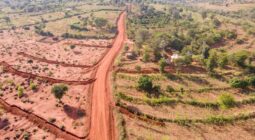
Perhaps no other intervention has a bigger impact on water management than road construction. Roads often cause erosion and floods, and disturb dune movement in desert areas. At the same time, water may be a major cause of road damage (particularly unpaved roads).
This road-water enmity can be turned around. Measures can be taken to use roads to harvest water, guide flood, open up springs, retain subsurface flows, and control water tables. The same measures will reduce water damage to roads significantly.
Integrating water management functions in road development is a game-changer, especially considering the massive investment in roads every year (USD 1-2 Trillion).
Over the past few years, ‘Green Roads for Water’ programmes have been introduced in more than 10 countries, and have brought about marked improvements in water availability and road management. The relevance of these programmes, this approach to green infrastructure, is particularly high when people’s resilience is being pushed to the limits. First, it helps create new sources of water wherever roads are built. Second, when built into social safety nets and recovery programmes, it creates employment and better rural roads.
This dossier brings videos, articles, and blog posts highlighting insights related to green infrastructure from around the world, incorporating technical and institutional dimensions. For technical resources– such as guidelines, papers, and latest news— please visit www.roadsforwater.org

Blogposts
More >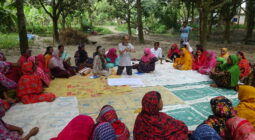
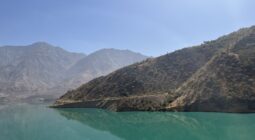
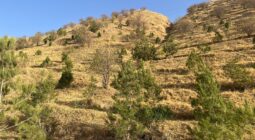

Videos
More >
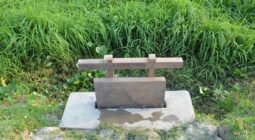
Dossiers
- Small Water Cycles and Local Climates
- Knowledge Repository for GFFA 2026
- Improved Laundry and Hygiene
- Ecologically-based Rodent Management
- Green and Blue Economy
- Vital Water Services
- Climate and Health
- Soil Management
- Green Transformation
- Green Infrastructure
- Dryland Development
- Agroecology
- Flood and Drought Management
- Locally-Led Adaptation in Practice
- Groundwater Management
- Water Governance and Development Partnership
- Preserving Assets - Operation and Maintenance in Delta’s
- Salinity Management
- Water integrity
- Water Productivity and Irrigation Management
- Managing Desert Locusts
- None left behind
- Mega Irrigation
- Cross-Cutting Topics