Improved Laundry and Hygiene
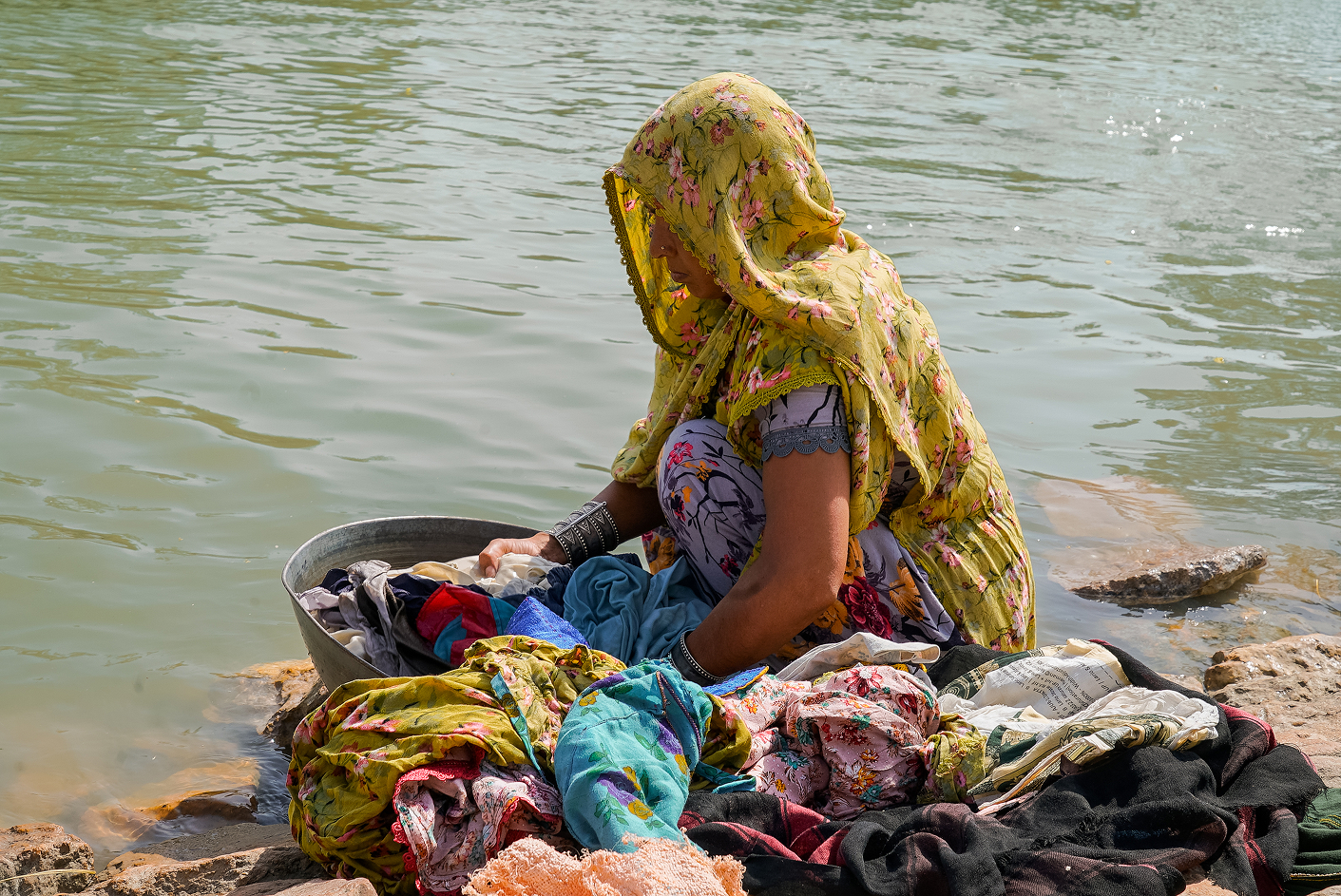
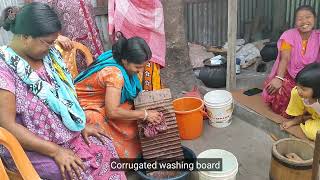
Laundry is a daily necessity for households worldwide. In many rural and low-resource settings, washing clothes is still done manually, often requiring significant time, repetitive physical effort, and long distances to collect water. The work is predominantly carried out by women and girls, and in some contexts by informal laundry workers, under conditions that can lead to physical strain and health risks.
Laundry practices are closely connected to water access, infrastructure design, product availability, and local climate conditions. Limited water supply, inadequate washing spaces, poorly adapted tools, and unsafe detergent use can intensify the burden. These constraints are not isolated; they are part of broader water and livelihood systems.
Despite its scale and impact, laundry rarely receives structured attention within water, hygiene, or gender programming. As a result, improvements tend to be fragmented, and opportunities for coordinated innovation and infrastructure design are often missed.
This dossier brings together blogs, videos, and field experiences related to laundry. It aims to document practical insights, highlight emerging approaches, and contribute to a more integrated understanding of laundry within water and development contexts.
Blogposts
More >

Videos
More >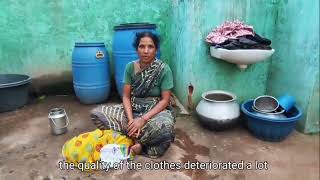
Dossiers
- Vital Water Services
- Climate and Health
- Small Water Cycles and Local Climates
- Knowledge Repository for GFFA 2026
- Improved Laundry and Hygiene
- Ecologically-based Rodent Management
- Green and Blue Economy
- Soil Management
- Green Transformation
- Green Infrastructure
- Dryland Development
- Agroecology
- Flood and Drought Management
- Locally-Led Adaptation in Practice
- Groundwater Management
- Water Governance and Development Partnership
- Preserving Assets - Operation and Maintenance in Delta’s
- Salinity Management
- Water integrity
- Water Productivity and Irrigation Management
- Managing Desert Locusts
- None left behind
- Mega Irrigation
- Cross-Cutting Topics