Locally-Led Adaptation in Practice
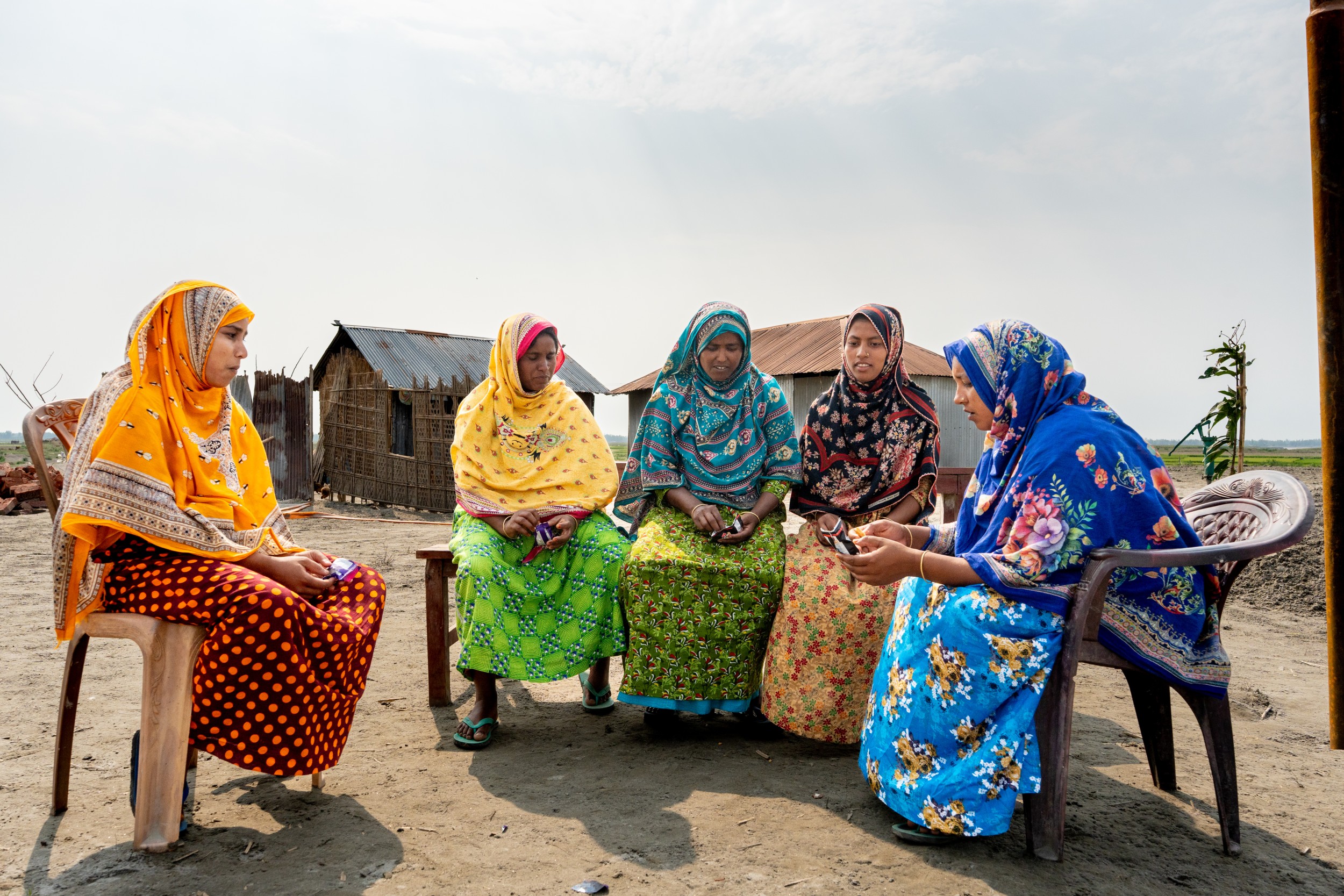
Locally-led adaptation puts local actors in the lead and recognizes the value of local knowledge, innovation, and expertise. It ensures that local actors have equitable access to power and resources to build resilience. Funders and governments are increasingly supportive of locally-led adaptation, but how to do this in practice is often the question.
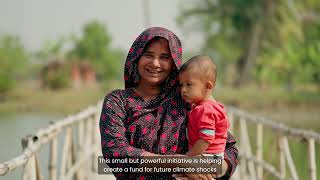
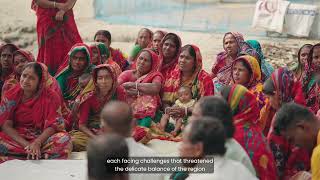
In this dossier, we collect practical examples, lessons learned, and experiences from implementing locally-led adaptation. Many of these originate from the Reversing the Flow (RtF) program, which aims to strengthen communities’ natural, social, and economic resilience to climate change through community-led landscape restoration, water, and climate adaptation action. The programme puts communities in the lead, uses a landscape approach to create wider impact, and provides direct funds to local organisations. Local groups are enabled to organise themselves and lead their own actions. RtF focuses on vulnerable communities in fragile landscapes in Bangladesh, Burkina Faso, Ethiopia, Kenya, and Sudan.
A video from the Reversing the Flow (RtF) program is available here.
Blogposts
More >

Videos
More >
Dossiers
- Improved Laundry and Hygiene
- Ecologically-based Rodent Management
- Green and Blue Economy
- Vital Water Services
- Climate and Health
- Small Water Cycles and Local Climates
- Knowledge Repository for GFFA 2026
- Soil Management
- Green Transformation
- Green Infrastructure
- Dryland Development
- Agroecology
- Flood and Drought Management
- Locally-Led Adaptation in Practice
- Groundwater Management
- Water Governance and Development Partnership
- Preserving Assets - Operation and Maintenance in Delta’s
- Salinity Management
- Water integrity
- Water Productivity and Irrigation Management
- Managing Desert Locusts
- None left behind
- Mega Irrigation
- Cross-Cutting Topics