Small Water Cycles and Local Climates
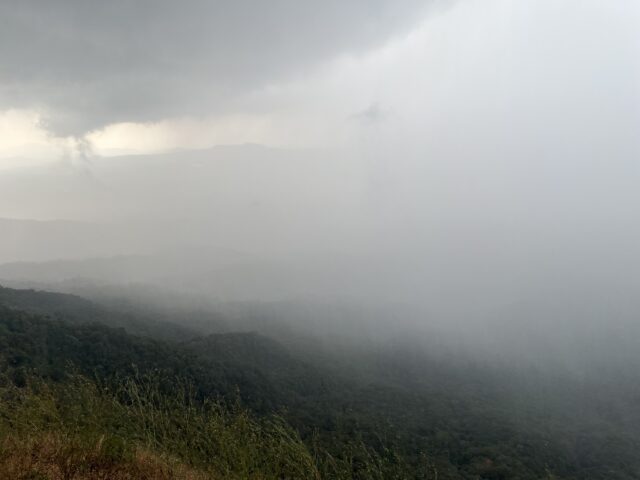
Water moves in cycles, and not just the large, global ones. Small water cycles, driven by vegetation, soils, and moisture, operate at the scale of landscapes and shape local climates: converting solar energy into evapotranspiration, cooling the land, and recycling rainfall where it falls.
Where these cycles are intact, landscapes buffer heat and climate extremes. Where they are broken by deforestation, soil depletion, and poor water management, land turns into a heat source: intensifying warming, increasing aridity, and making rainfall erratic.
While climate action has long focused on greenhouse gas emissions, small water cycles offer a complementary and powerful pathway: actively reshaping local climatic conditions through landscape restoration and better water management. By restoring vegetation, forests, grasslands, and wetlands, improving soil moisture retention, and reconnecting water flows, it is possible to rebuild the natural climate regulation that healthy landscapes once provided.
This dossier brings together the science and practice of small water cycle restoration, spanning field evidence, case studies, emerging research, and practical interventions across diverse landscapes – from forests and pastoral systems to wetlands and degraded agricultural land. It treats the world as a mosaic of manageable local climates where restoring the small water cycle is not just an ecological act, but a form of climate action from the ground up.
It is also a living resource, and everyone is welcome to contribute. Whether you have stories from the field, scientific papers, videos, or other knowledge to share. Beyond the dossier, we are building a community of practice, bringing together researchers, practitioners, and policymakers working at this frontier. If you want to get involved or share your work, reach out to Femke van Woesik at femke.vanwoesik@gopa.eu
Blogposts
More >
Videos
More >


Dossiers
- Vital Water Services
- Climate and Health
- Small Water Cycles and Local Climates
- Knowledge Repository for GFFA 2026
- Improved Laundry and Hygiene
- Ecologically-based Rodent Management
- Green and Blue Economy
- Soil Management
- Green Transformation
- Green Infrastructure
- Dryland Development
- Agroecology
- Flood and Drought Management
- Locally-Led Adaptation in Practice
- Groundwater Management
- Water Governance and Development Partnership
- Preserving Assets - Operation and Maintenance in Delta’s
- Salinity Management
- Water integrity
- Water Productivity and Irrigation Management
- Managing Desert Locusts
- None left behind
- Mega Irrigation
- Cross-Cutting Topics