Soil Management
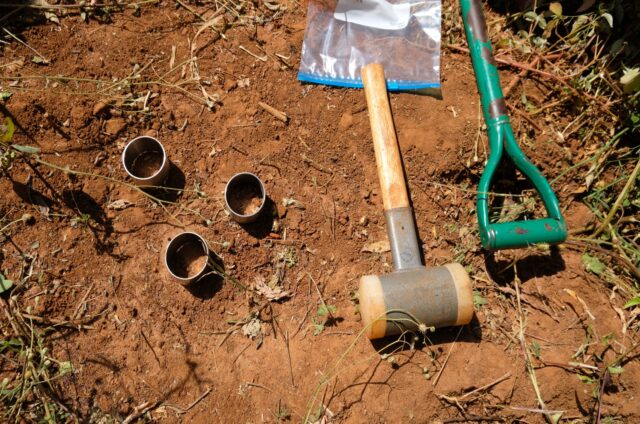
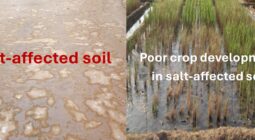
Effective soil management is fundamental to maintaining soil health, productivity, and ecosystem stability. Healthy soils prevent erosion, sustain fertility, regulate water cycles, and support sustainable agricultural production. Through responsible soil stewardship, food security can be strengthened, biodiversity protected, and climate change addressed through improved resilience and carbon storage.
However, soils worldwide are increasingly under pressure. Deforestation, unsustainable land use, overexploitation, and climate change have contributed to widespread soil degradation. Because soil formation is a slow natural process, restoring degraded soils requires long-term commitment, adaptive management, and continuous learning. Access to reliable data, appropriate tools, and locally adapted practices is therefore essential to guide sustainable soil management and support resilient landscapes.
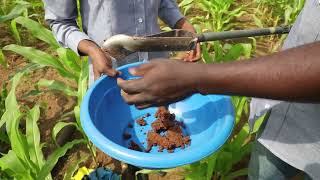
This dossier documents blogs, videos, and publications that showcase state-of-the-art knowledge, practical approaches, and scientific insights from across the world, highlighting how soils can be nurtured, managed, and restored for current and future generations.
Blogposts
More >
Videos
More >


Dossiers
- Climate and Health
- Small Water Cycles and Local Climates
- Knowledge Repository for GFFA 2026
- Improved Laundry and Hygiene
- Ecologically-based Rodent Management
- Green and Blue Economy
- Vital Water Services
- Soil Management
- Green Transformation
- Green Infrastructure
- Dryland Development
- Agroecology
- Flood and Drought Management
- Locally-Led Adaptation in Practice
- Groundwater Management
- Water Governance and Development Partnership
- Preserving Assets - Operation and Maintenance in Delta’s
- Salinity Management
- Water integrity
- Water Productivity and Irrigation Management
- Managing Desert Locusts
- None left behind
- Mega Irrigation
- Cross-Cutting Topics