Ecologically-based Rodent Management

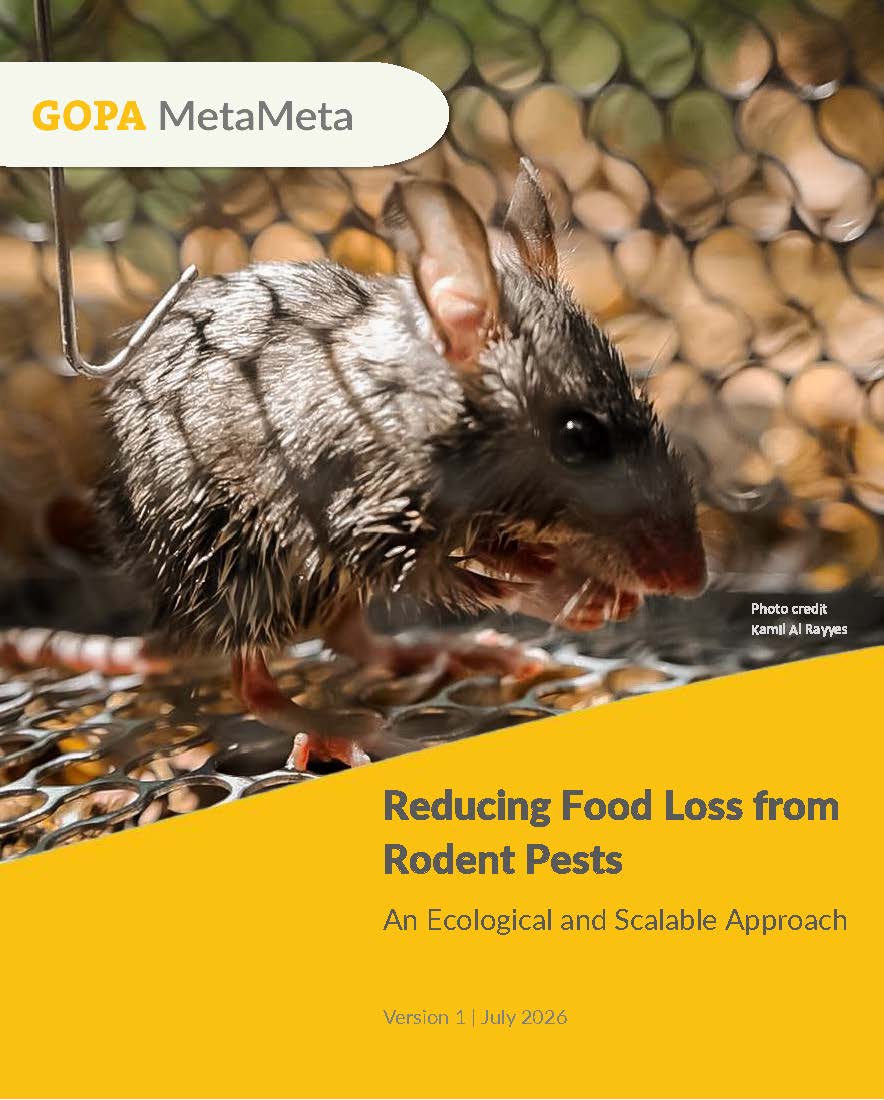
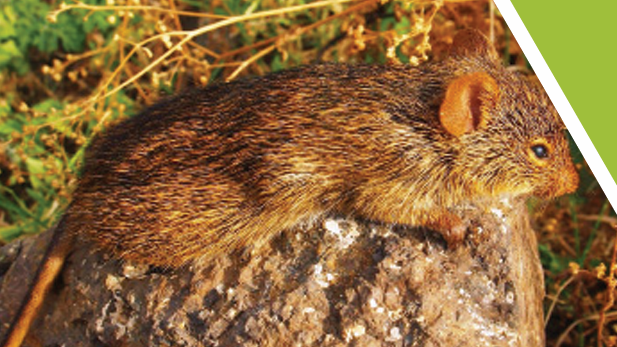
Rodents are among the most widespread and adaptable mammals, playing important roles in ecosystems by dispersing seeds, aerating soil, and serving as prey for many predators. Yet, when rodent populations grow unchecked, they can cause enormous damage, destroying an estimated 10% of crops worldwide and costing agriculture up to $2 trillion annually. Despite this, rodent management remains a neglected issue, with many efforts still relying on synthetic rodenticides that harm the environment and are becoming less effective as resistance builds.
A game-changing approach is urgently needed. Ecologically-Based Rodent Management (EBRM) offers an innovative and sustainable alternative by applying a robust understanding of rodent behavior and local environments to develop long-term practical solutions. EBRM emphasizes integrated, eco-friendly strategies focused on prevention, combining a set of biological, ecological, mechanical, and cultural methods tailored to local contexts and anchored in both farming communities and local governance. These methods not only reduce crop losses and improve food security but also support healthier environments and more resilient agricultural systems. As recognition of our efforts, our development of a highly effective botanically based organic rodenticide was honored with the 2021 Olam Food Prize.
Climate change and increasing pesticide resistance are intensifying the rodent problem, threatening global food security and the livelihoods of millions. We call on policymakers, researchers, farmers, and community leaders to embrace and champion Ecologically-Based Rodent Management.
Together, by adopting integrated pest management approaches like EBRM, we can move beyond short-term fixes and create lasting, sustainable solutions.
This dossier compiles blogs, videos, and key publications on alternative, eco-friendly rodent management approaches in diverse contexts. It aims to document practical methods across different contexts while highlighting the importance of integrated pest management, locally feasible solutions, and collective community action.
Downloadable Resources
Blogposts
More >
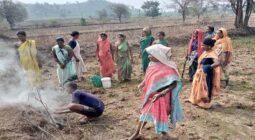
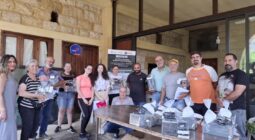
Videos
More >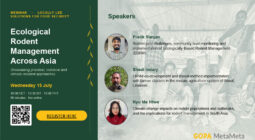
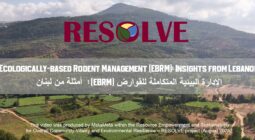

Dossiers
- Small Water Cycles and Local Climates
- Knowledge Repository for GFFA 2026
- Improved Laundry and Hygiene
- Ecologically-based Rodent Management
- Green and Blue Economy
- Vital Water Services
- Climate and Health
- Soil Management
- Green Transformation
- Green Infrastructure
- Dryland Development
- Agroecology
- Flood and Drought Management
- Locally-Led Adaptation in Practice
- Groundwater Management
- Water Governance and Development Partnership
- Preserving Assets - Operation and Maintenance in Delta’s
- Salinity Management
- Water integrity
- Water Productivity and Irrigation Management
- Managing Desert Locusts
- None left behind
- Mega Irrigation
- Cross-Cutting Topics